
Trip Highlights
- 🚗 Nairobi: Chaotic starting point and returning point
- 🌍 Nanyuki: Standing on the equator
- 🏜️ Marsabit: The last big town before the desert
- 🤝 Turbi: A meaningful visit with family and local communities
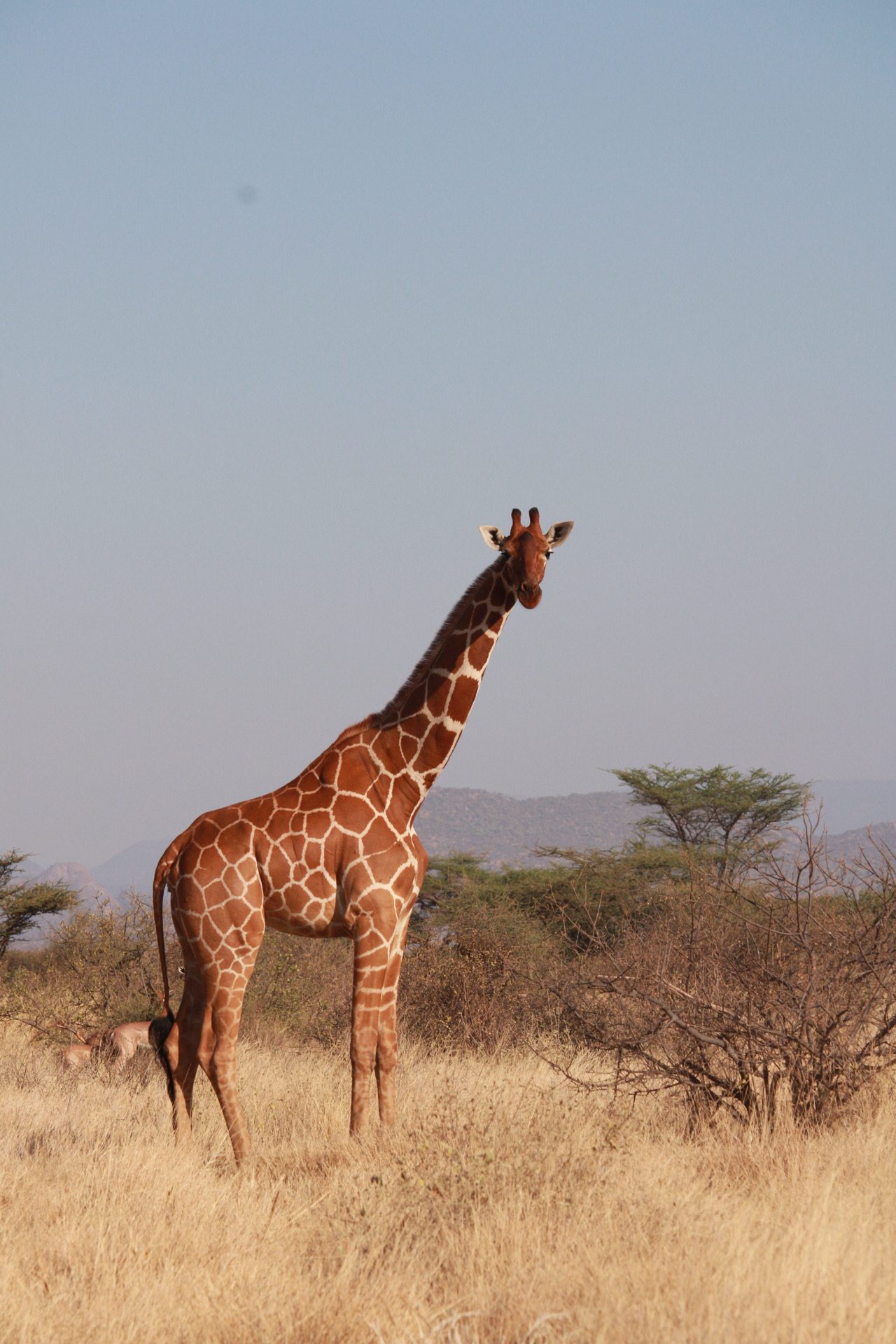
- 🦁 Samburu National Reserve: A safari with style
After a peaceful holiday in Diani Beach, we kicked off a completely different adventure, a road trip deep into the north of Kenya. Our main reason for traveling to Africa was to visit my cousin in Turbi, a remote desert town near the Ethiopian border, to visit my cousin, a missionary priest. I travelled with my sister and two other cousins, since flying there wasn’t an option, we opted for a car, and so it became a real road trip.
We drove for around 9.5 hours, and the journey turned out to be just as memorable as the destination.
Nairobi: Organized Chaos
Our trip started and ended in Nairobi, a chaotic city where traffic rules are more of a suggestion. Driving here takes courage, but a new €2 toll highway (cash only) helps bypass some of the madness.
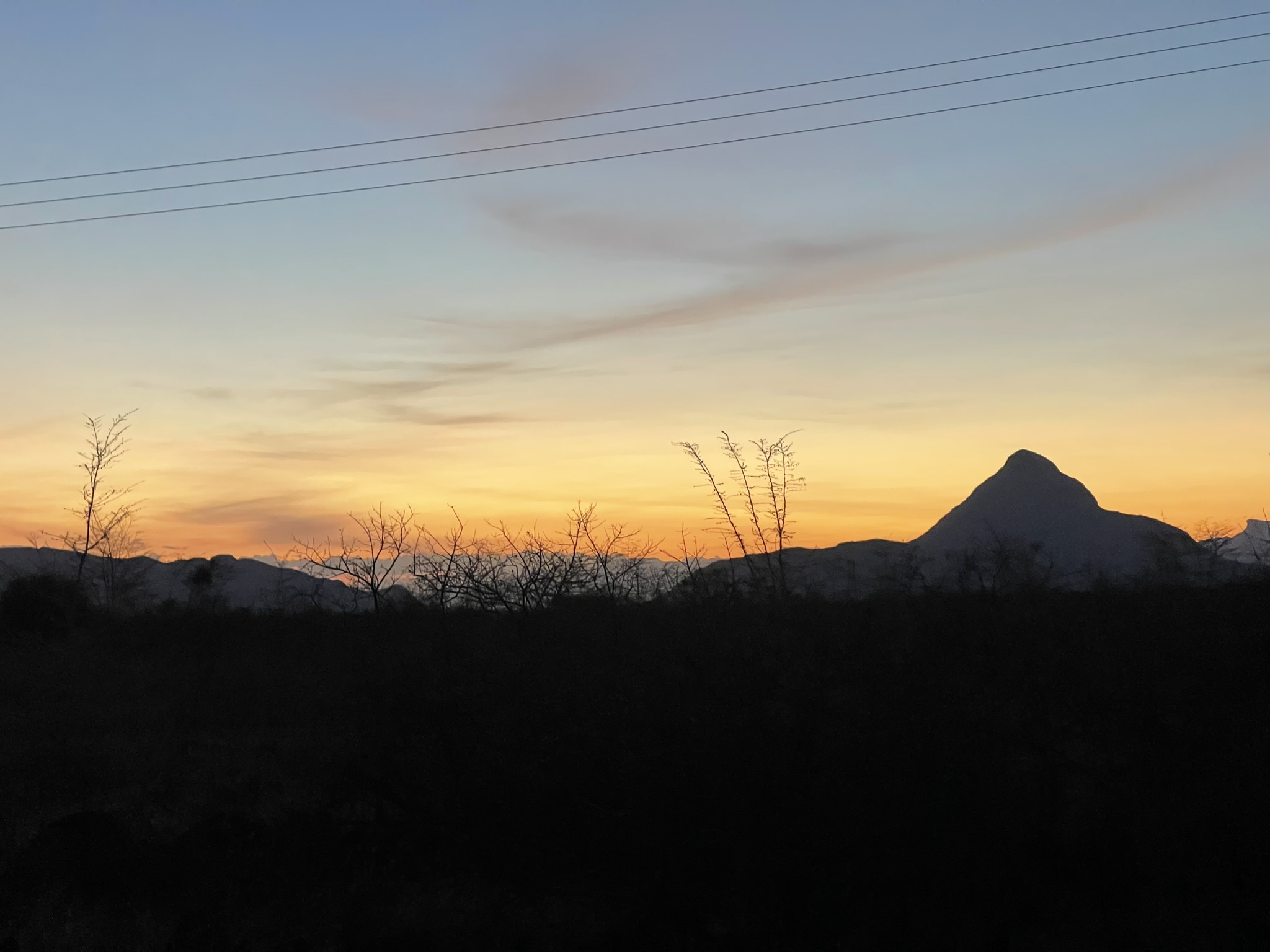
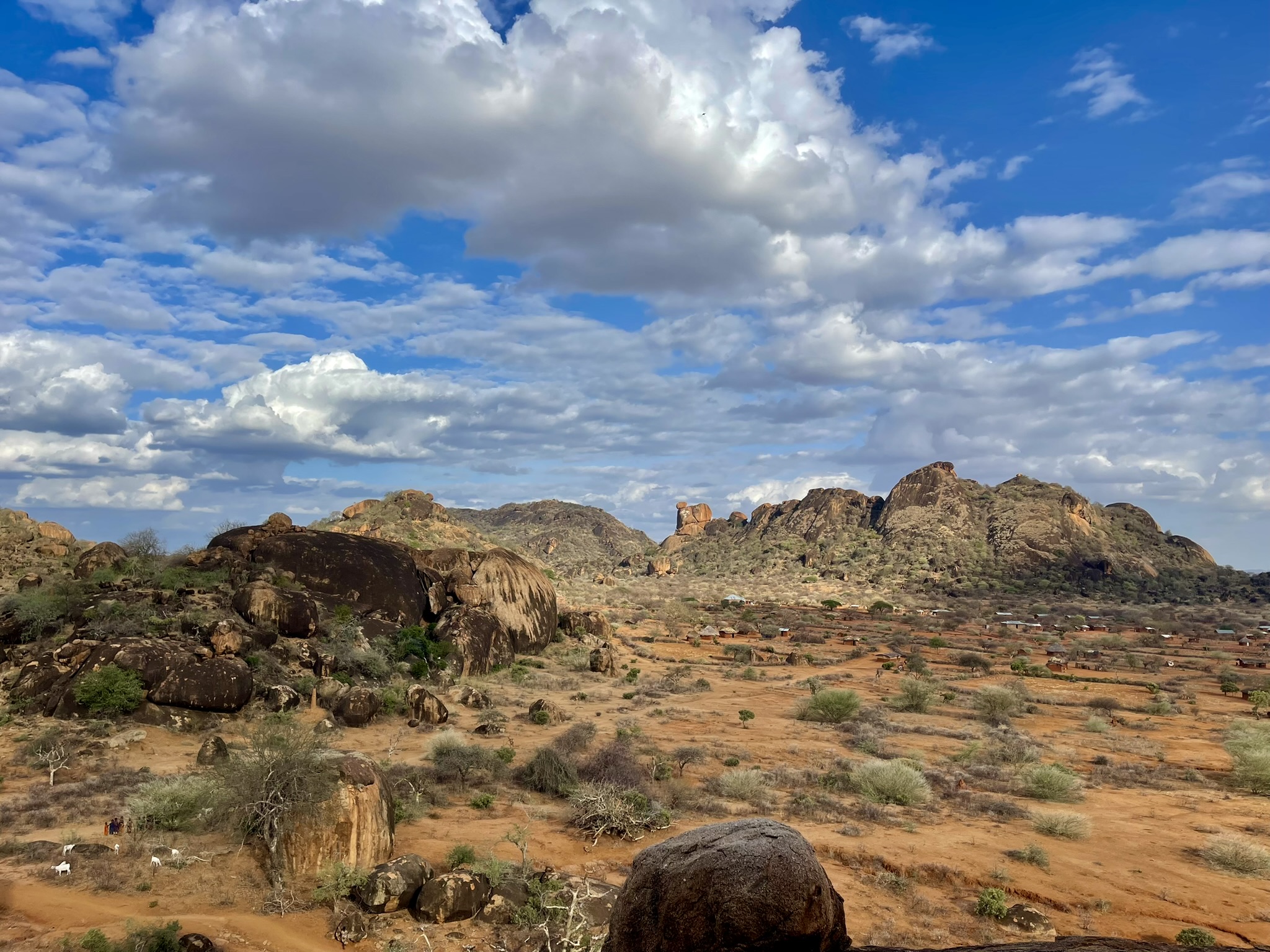
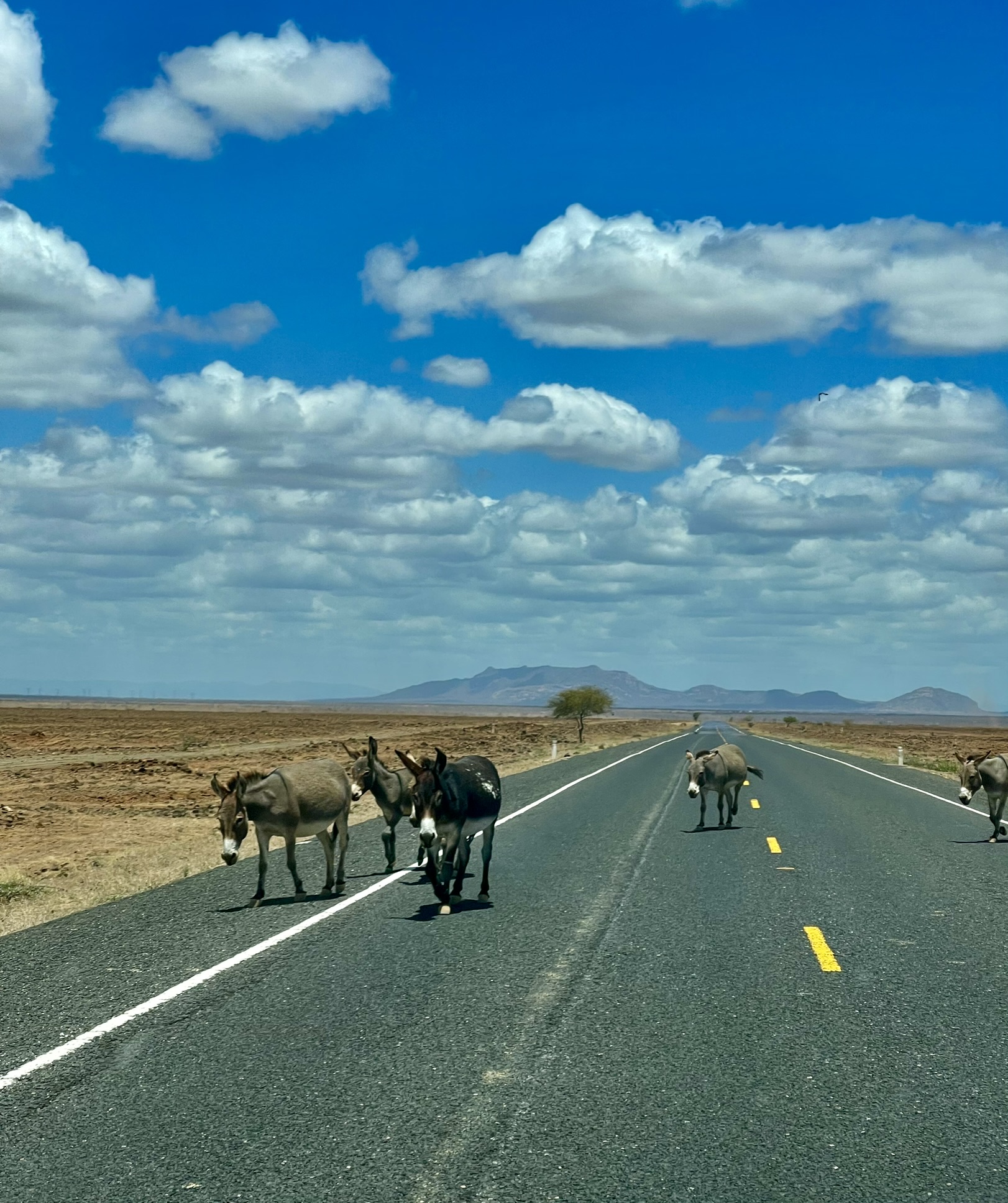
Once out of the city, the drive north toward Marsabit was smooth and scenic. The improved road took us through savannahs, deserts, farms, banana groves, and flower fields, Kenya is actually a major cut-flower exporter.
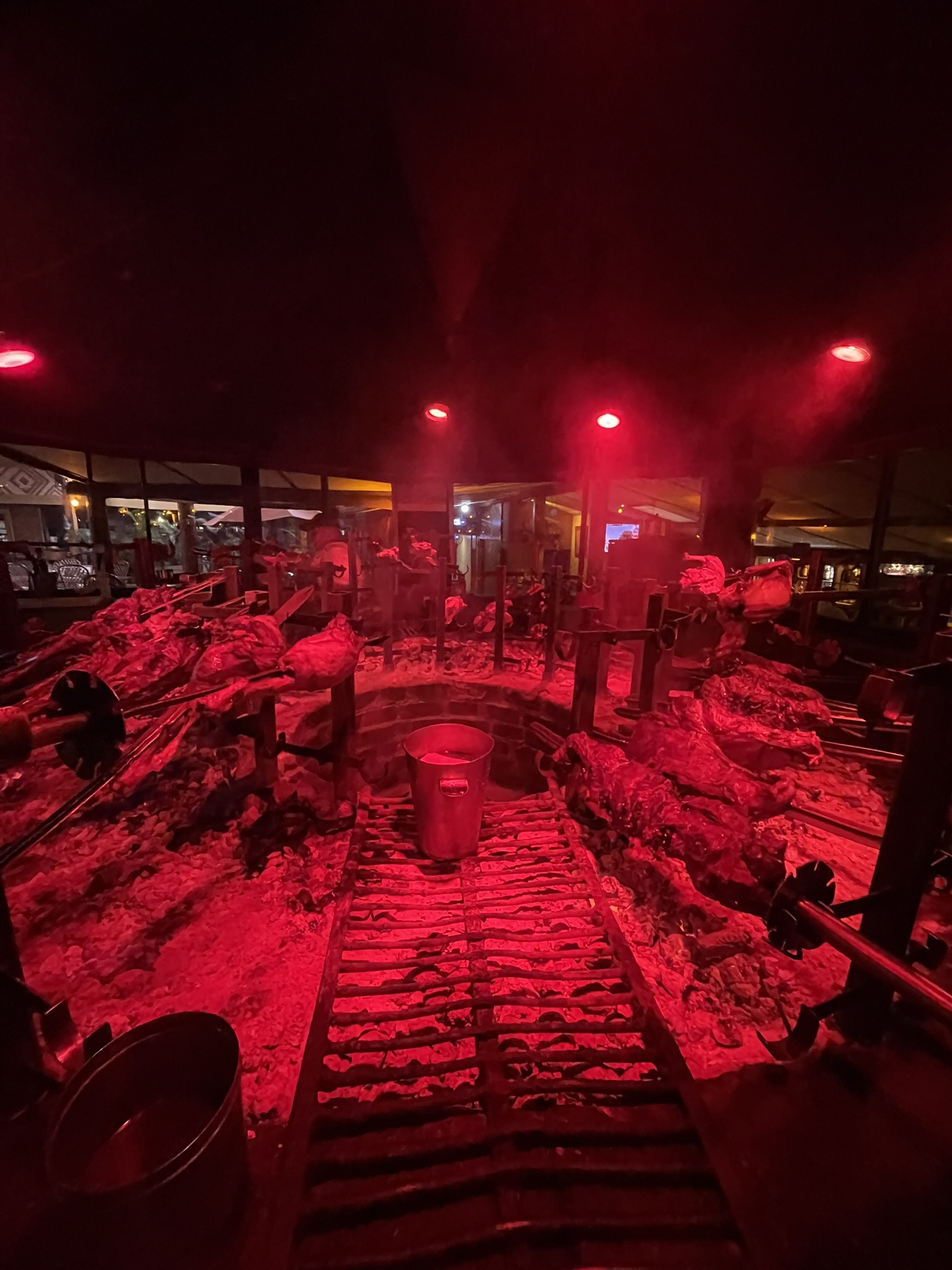
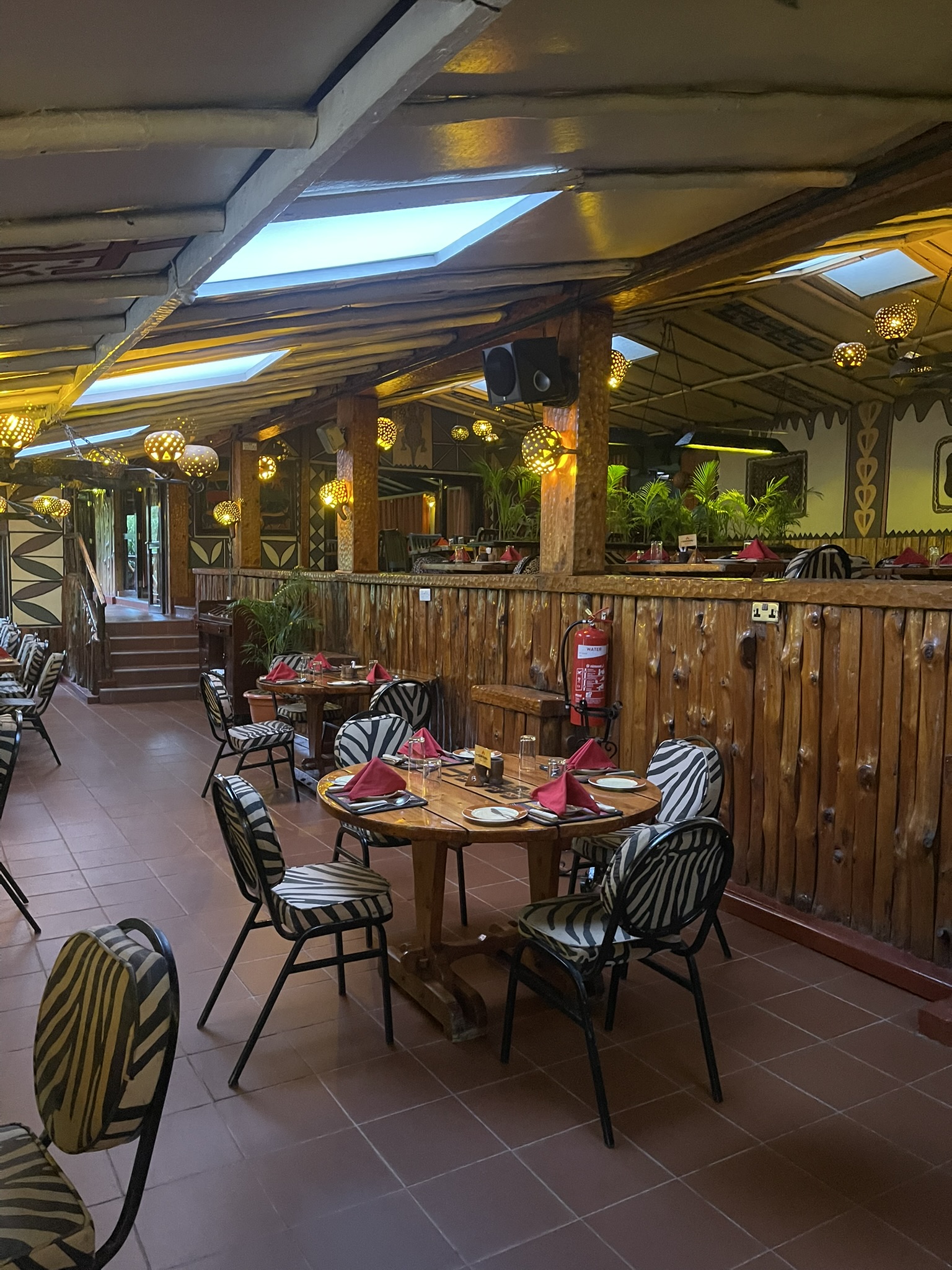
We didn’t explore Nairobi much, but highlights include Nairobi National Park, the National Museum, and panoramic views from Kenyatta Tower. For food, try Carnivore, great for meat lovers, less so for vegetarians.



Nanyuki: Equator Magic and Treehouse Vibes
Our first stop after Nairobi was Nanyuki, a small town right on the equator. We got to see the famous water trick, it really does spin differently just feet apart!
We made a quick stop at the Trout Tree Restaurant, built inside a giant fig tree, where they raise their own trout. No time for a meal, but we had a drink and looked around.
On the way back, our car broke down just before Nanyuki. Luckily, we got a replacement without much hassle. The unexpected stop gave us time to rest and regroup before the final stretch to Nairobi.


Marsabit: The Last Big Stop
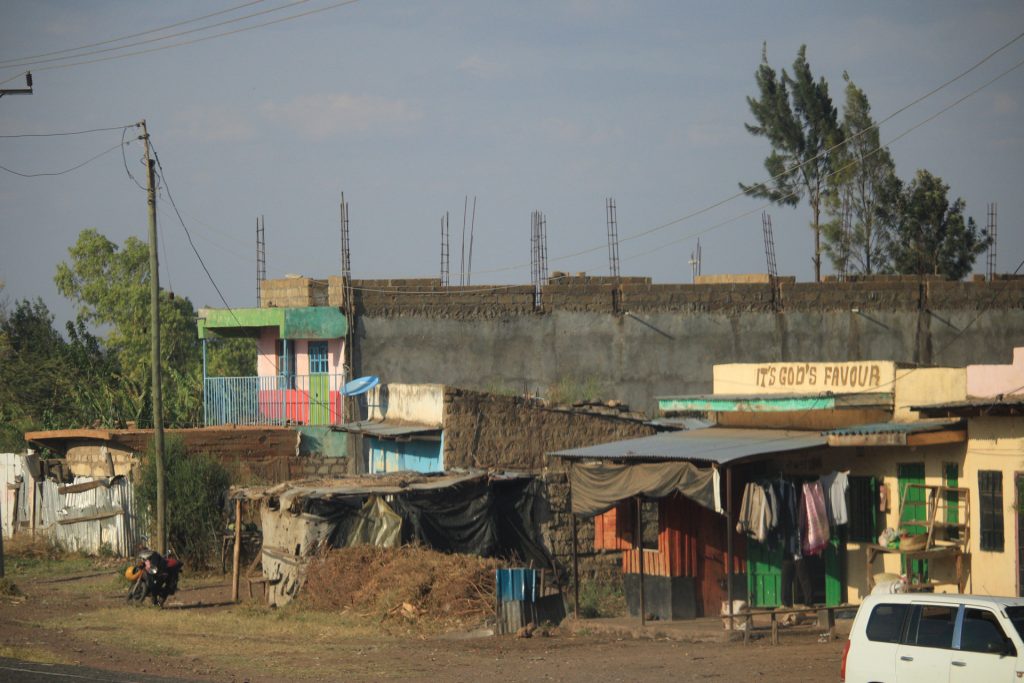
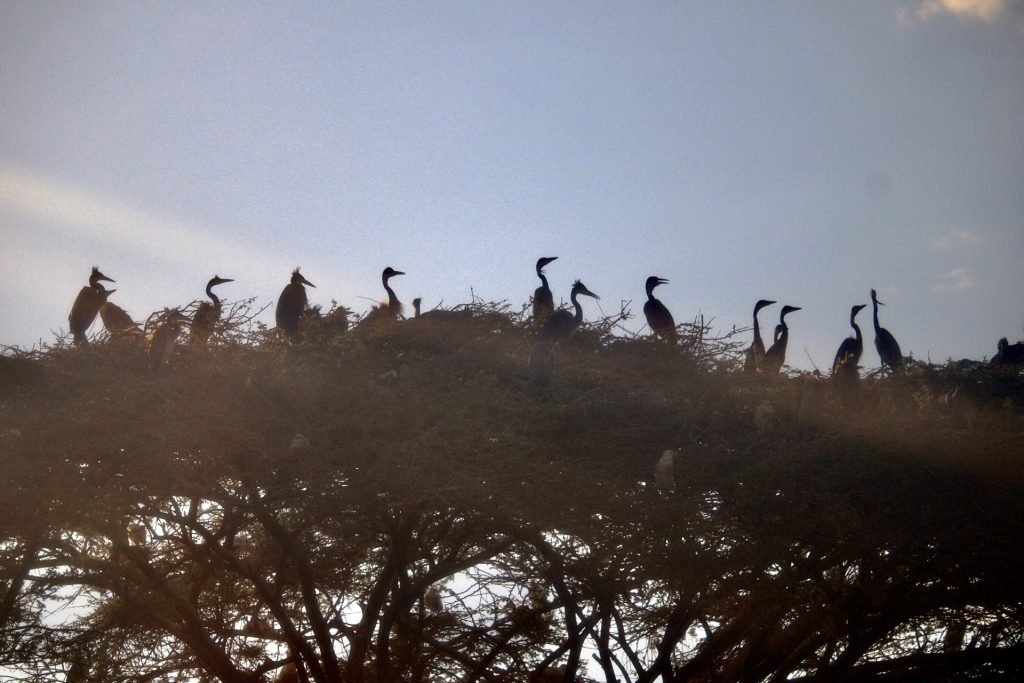
Before reaching Turbi, we made a quick stop in Marsabit, the largest city before you reach the Ethiopian border. This is the town where everyone stocks up, groceries, fuel, essentials. We only passed through to fill up the car, but from what I’ve read, there are some beautiful nature reserves nearby if you have time.
Turbi: Real Life at the Edge
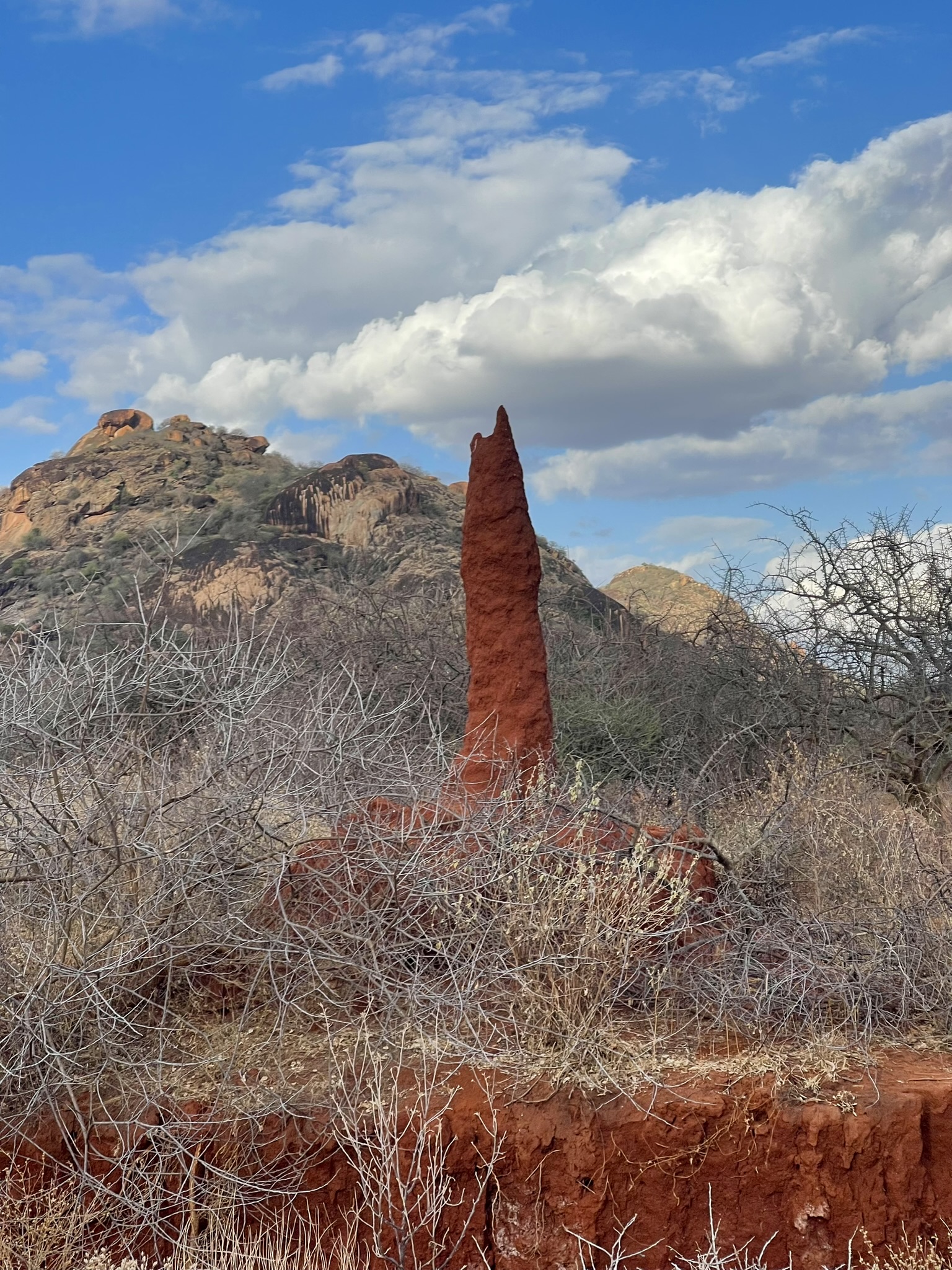
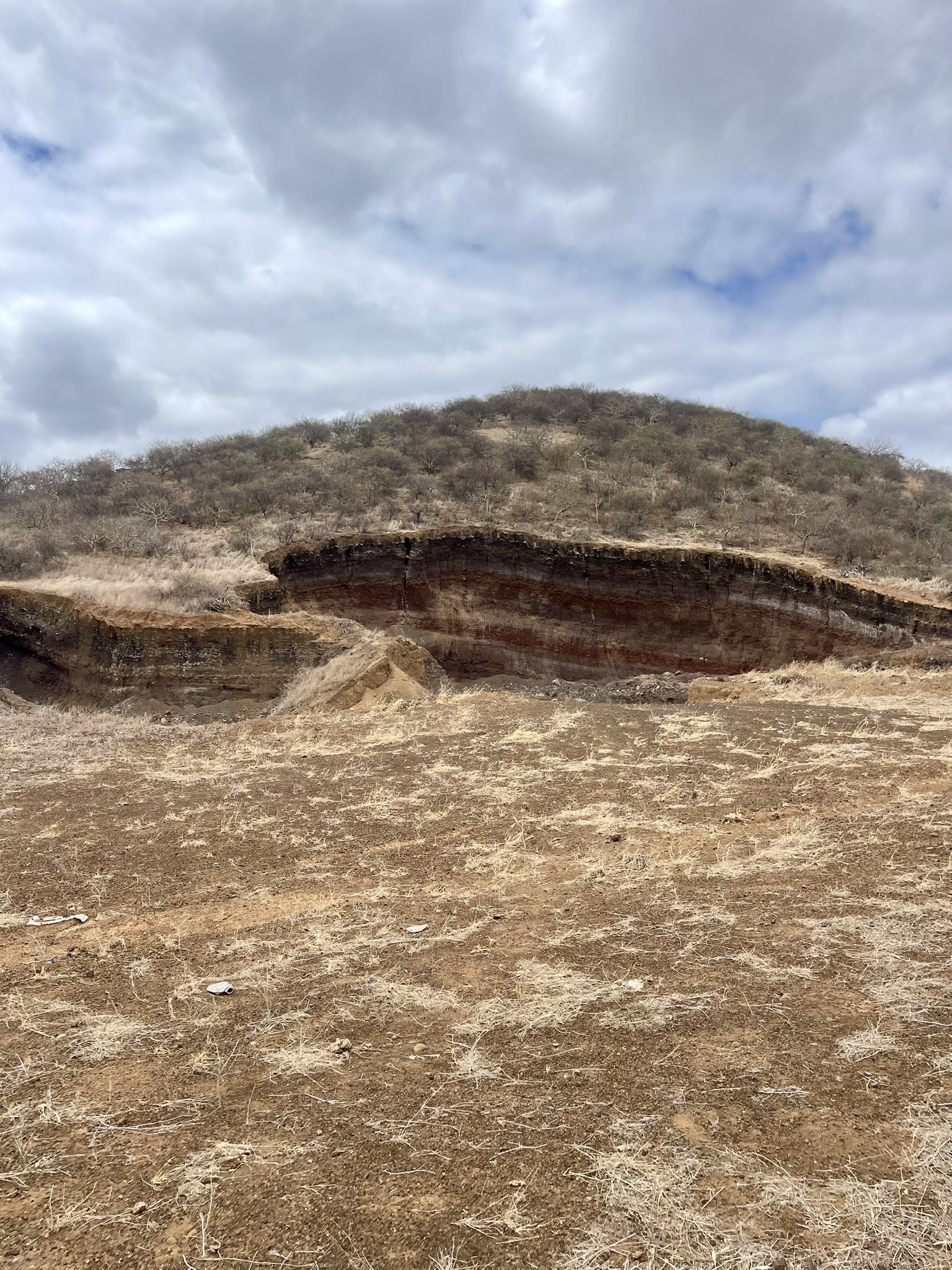
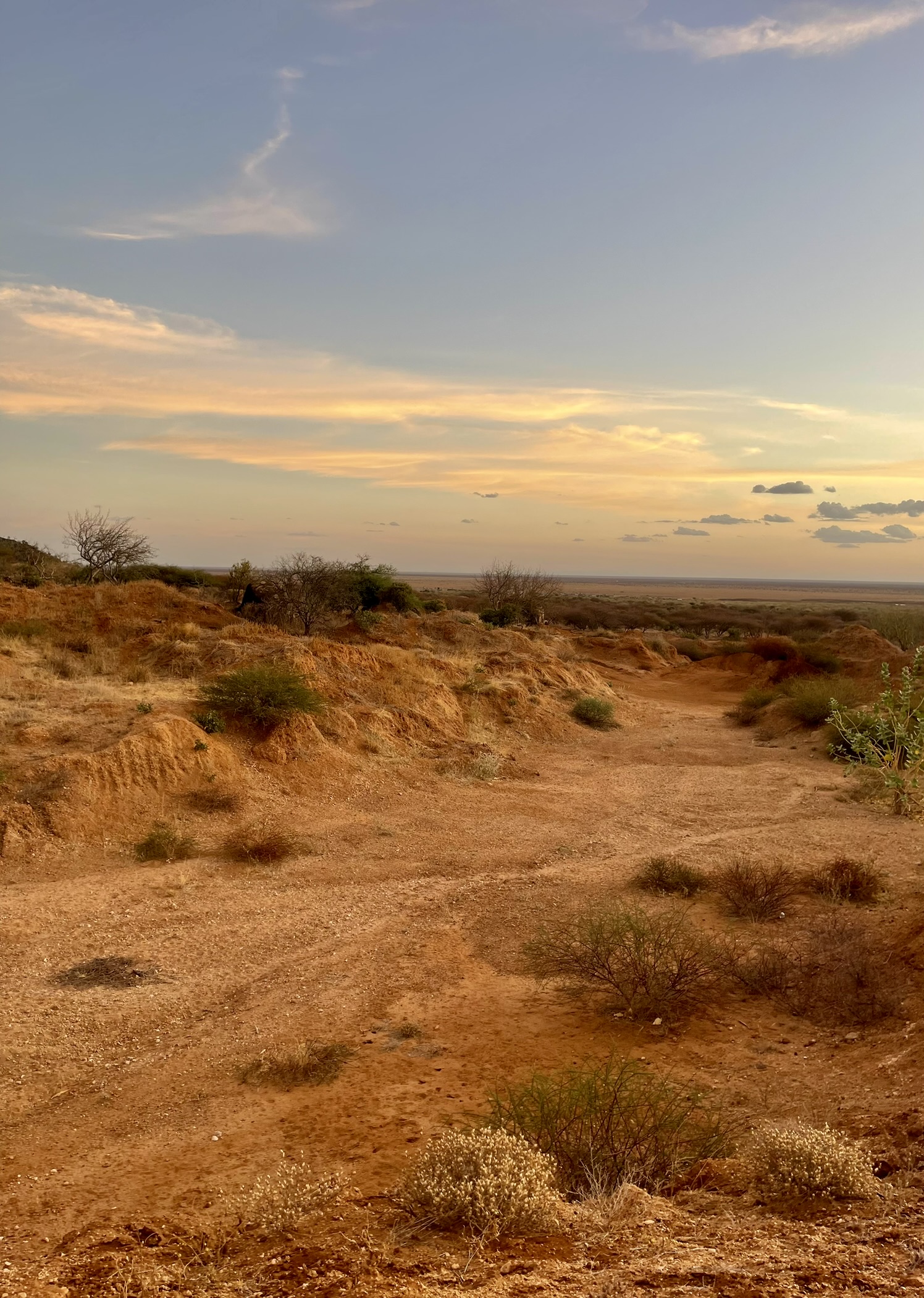
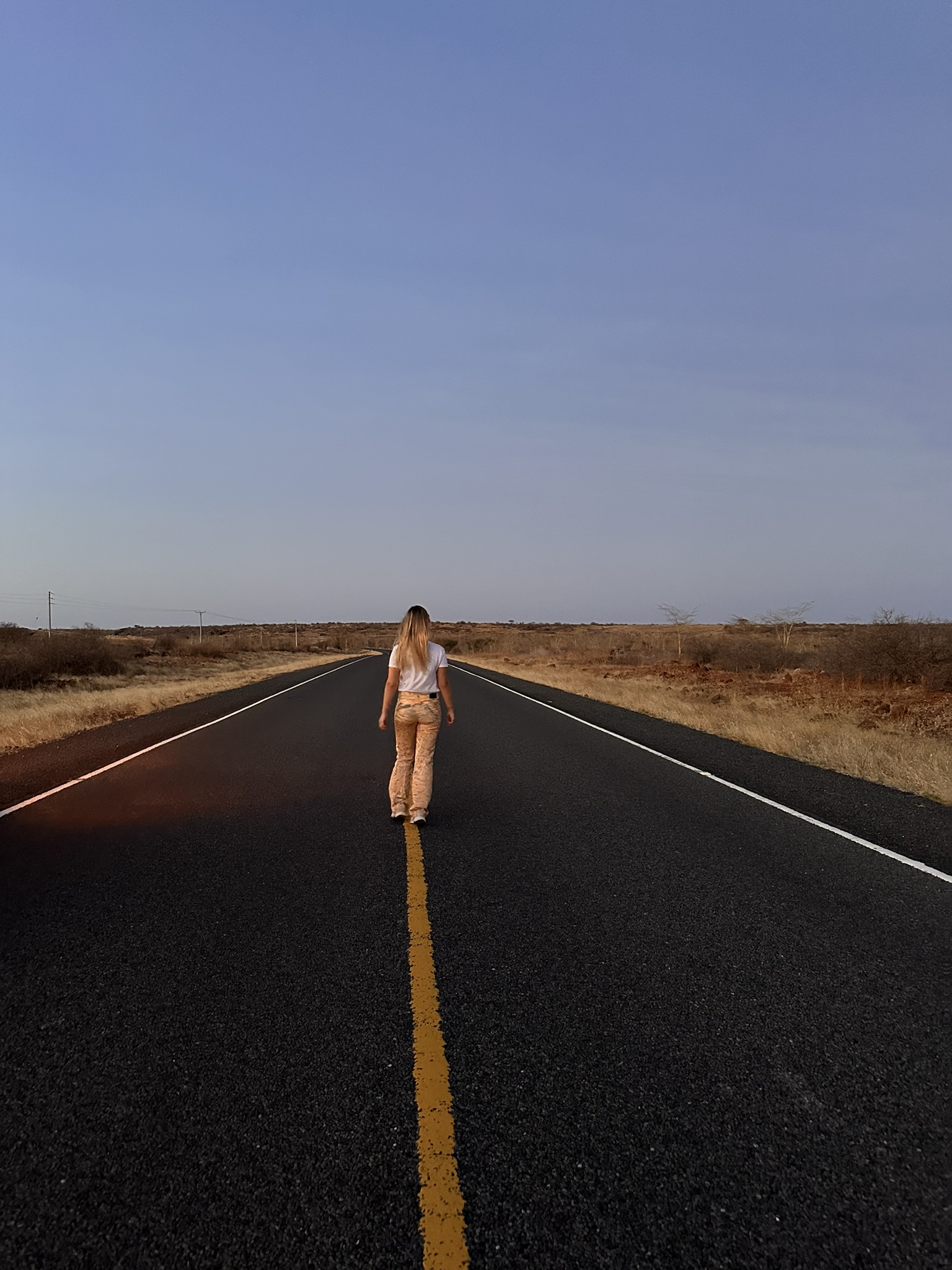
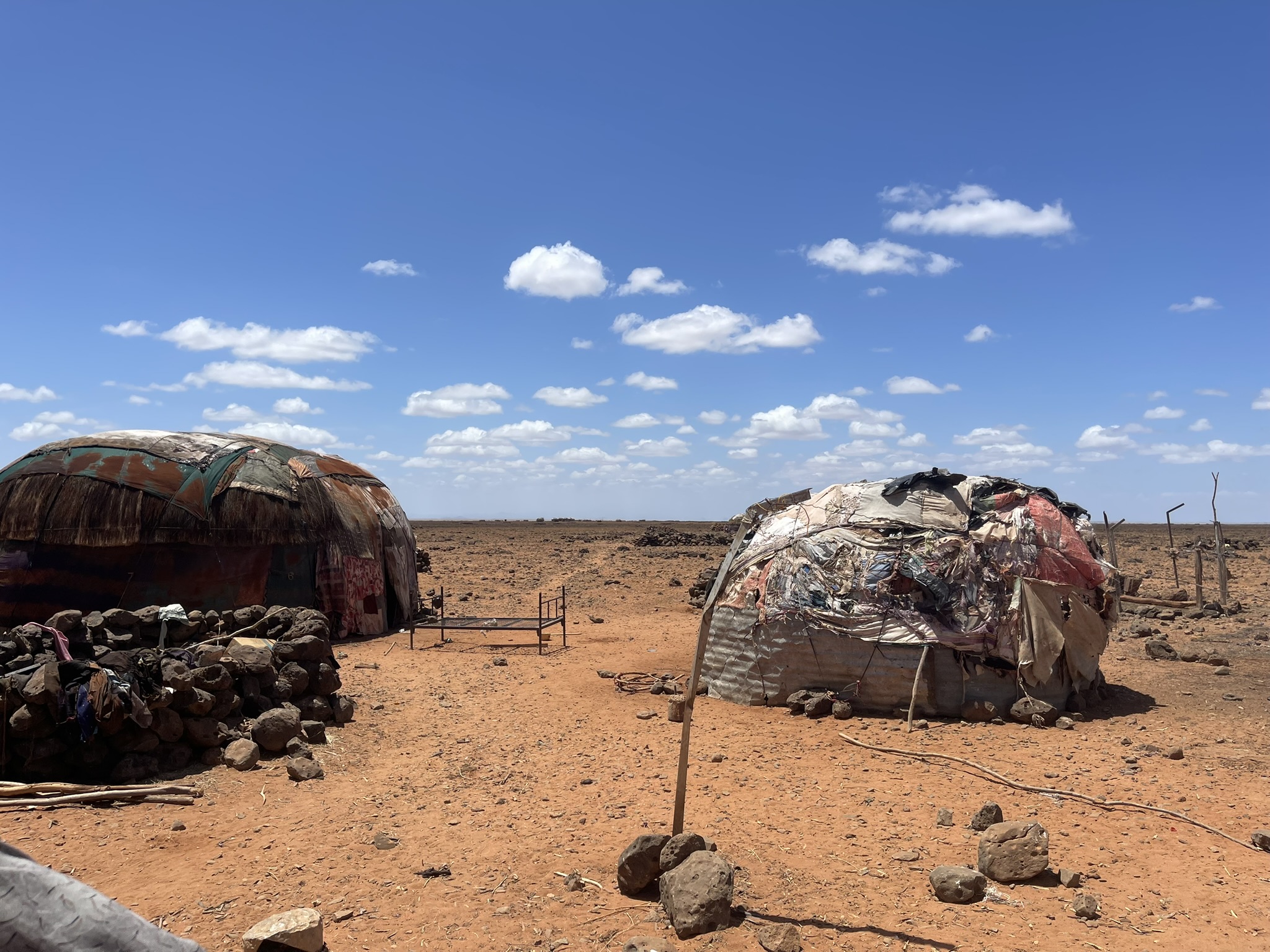
Turbi was the heart of our trip—not for sightseeing, but to see my cousin’s work and the community he serves. It was both inspiring and heartbreaking.
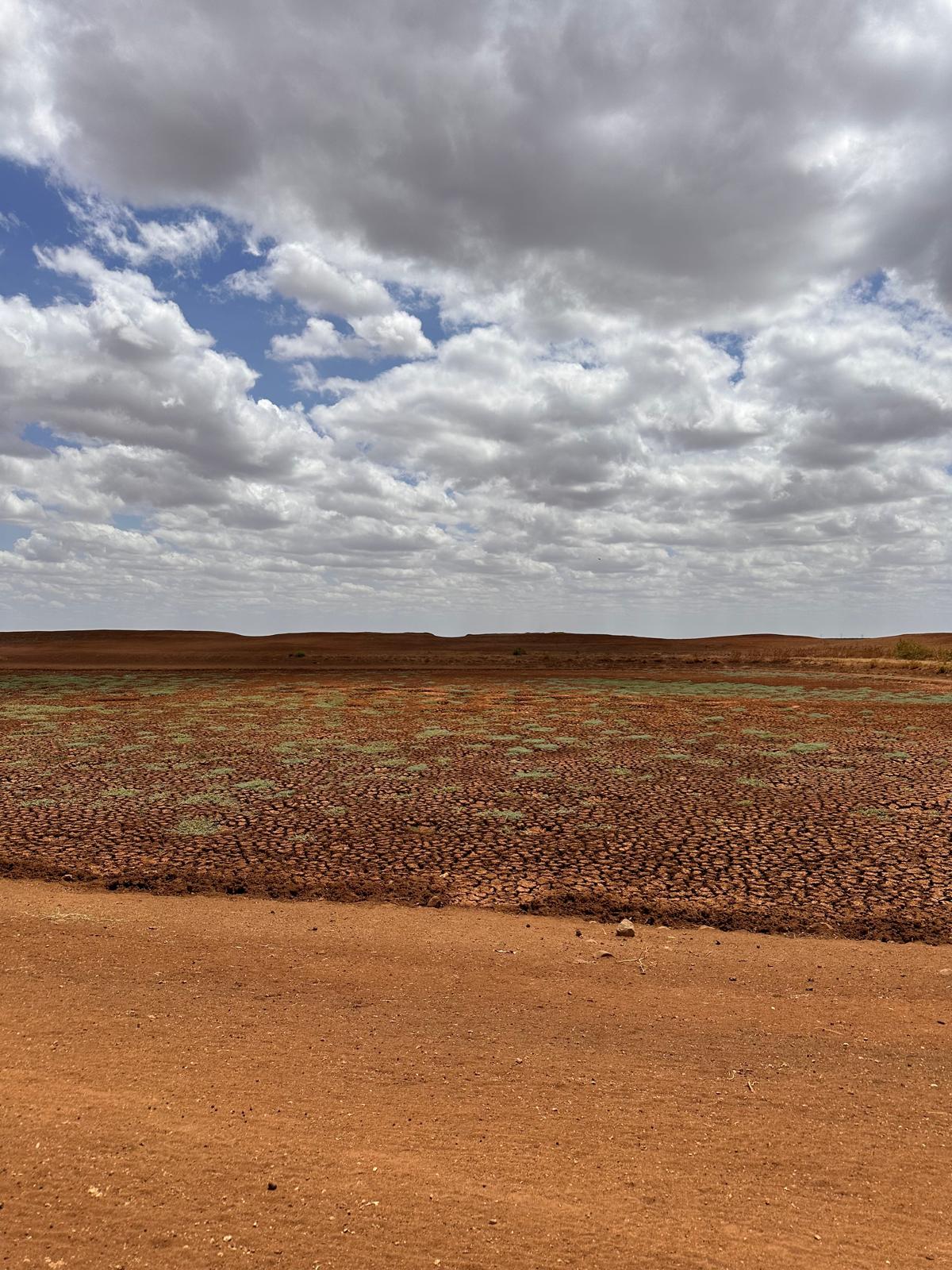
He’s helping build rainwater tanks in a region that sees rain just twice a year. These tanks are vital when the rains fail, providing cleaner water and saving lives.
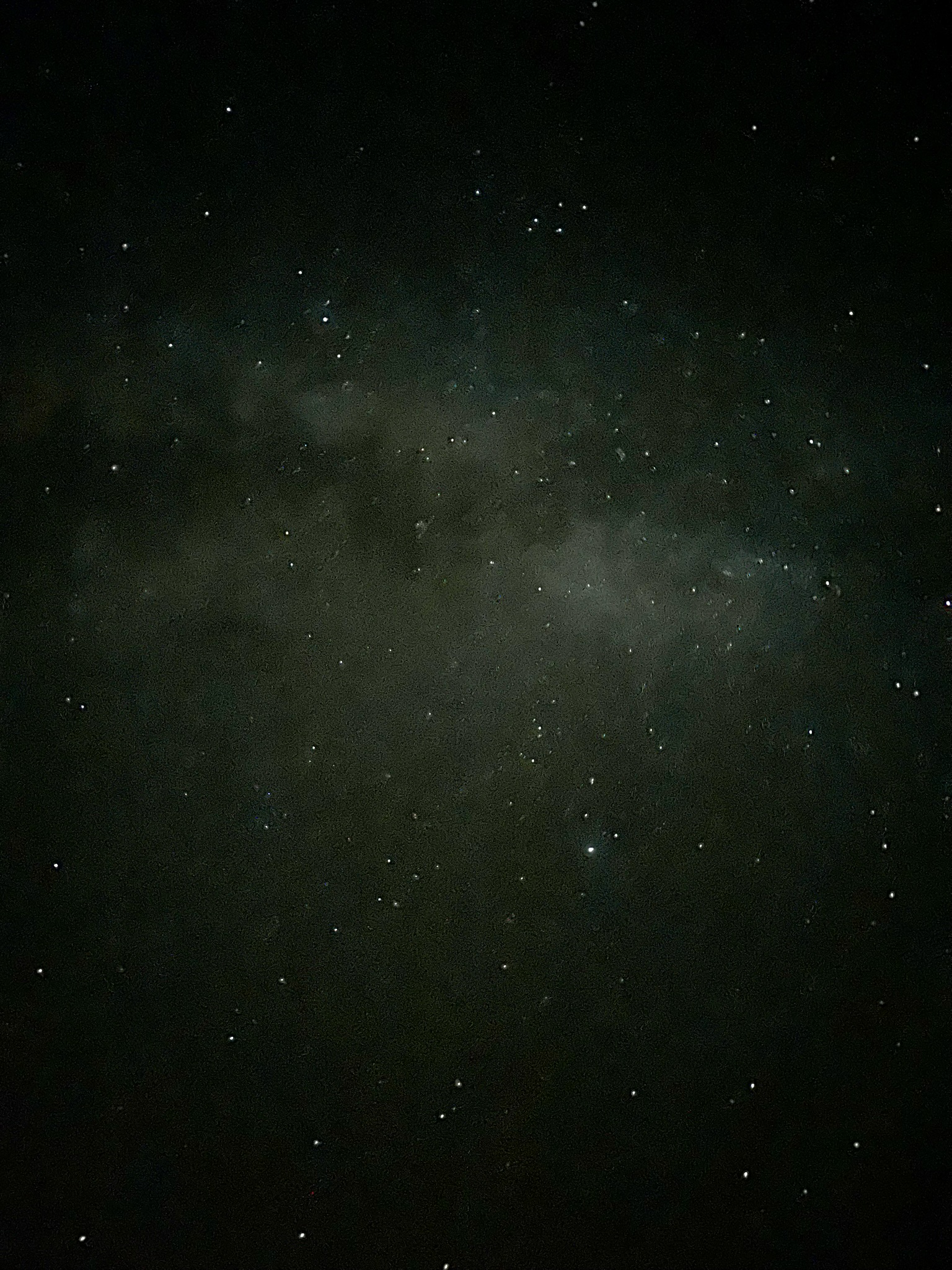
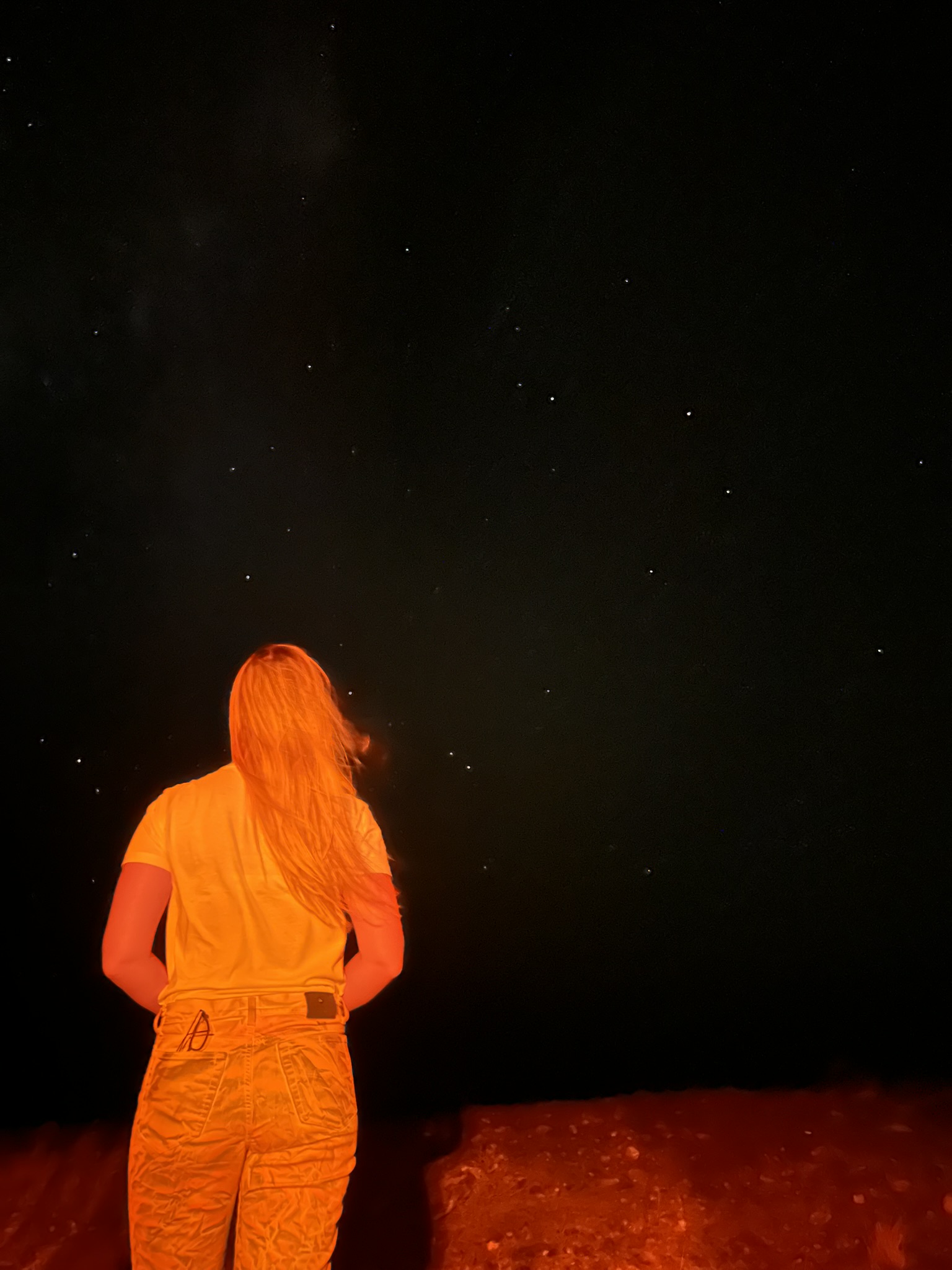
Life there is simple: rice, beans, and goat meat on special days. Animals roam freely, and pastoralists sleep under the stars, guarding their herds with makeshift fences and weapons.
We also got a glimpse into their culture, which was unlike anything I’d experienced before:
- Girls must be virgins when they marry, but after marriage, open relationships are accepted.
- Widows marry their husband’s brother.
- After marriage, a mother-in-law and son-in-law can’t look at each other, even eye contact results in a fine.
- When people from different tribes marry, the groom moves to the bride’s tribe, and his entire tribe camps nearby for several weeks to celebrate.
- When someone dies, the whole tribe moves to a new spot, even just a few meters.
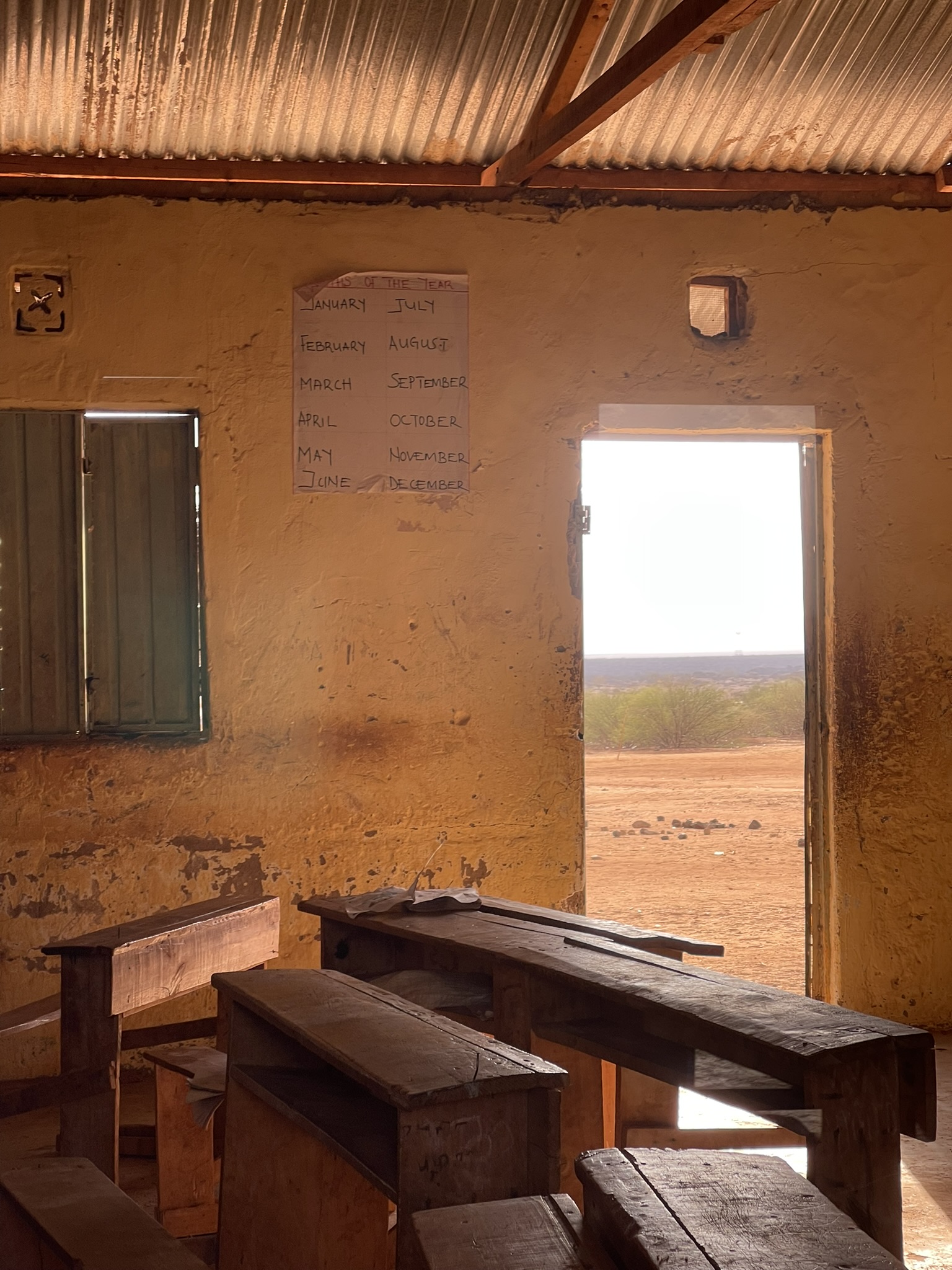
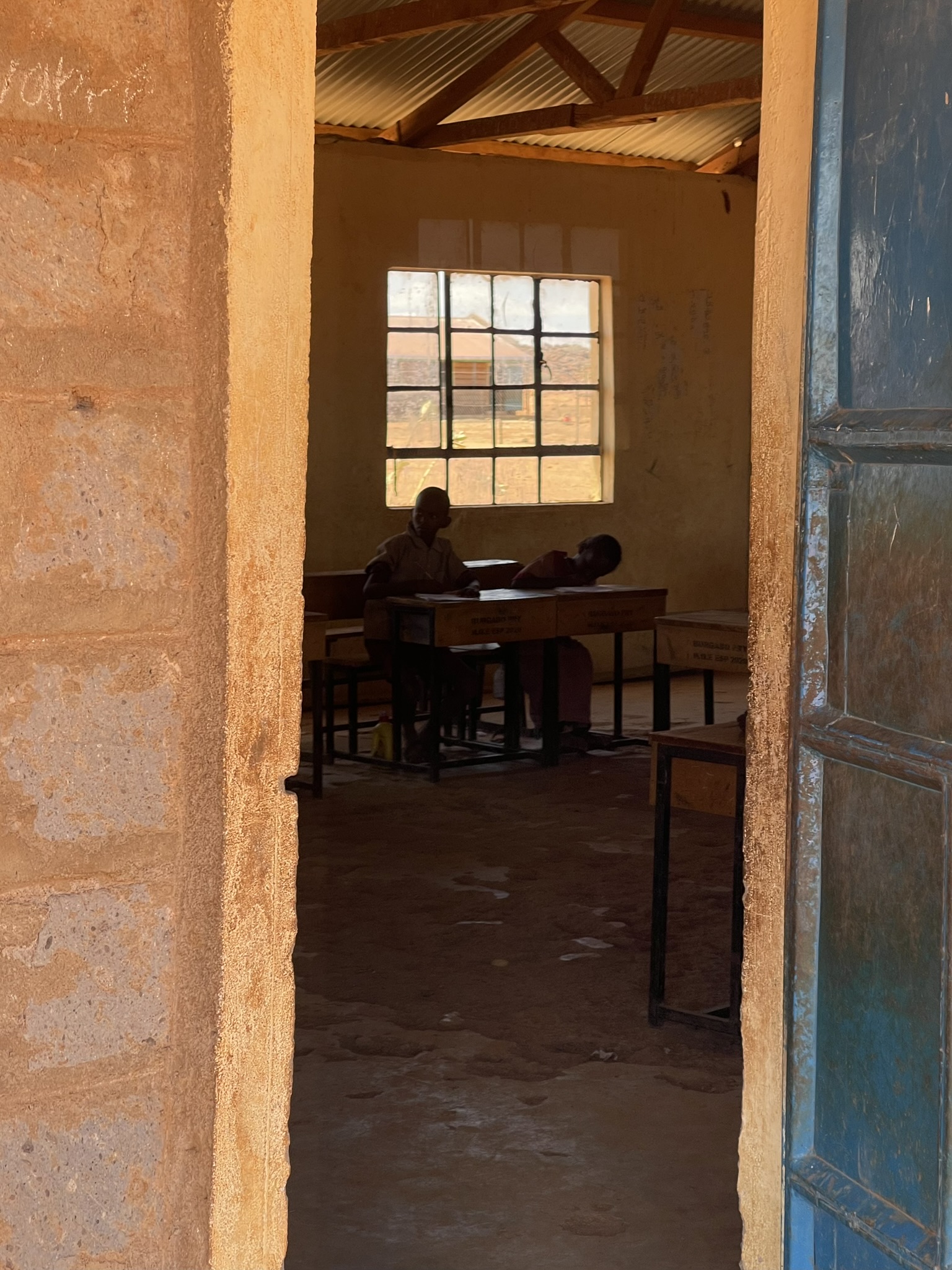
There’s also a lack of schooling. Some tribes have only one or two classes for kids, no nurseries, no proper school infrastructure. Education is very limited, and expanding it is a huge challenge.
Despite all this, we were welcomed with open arms. People were curious, warm, and incredibly kind. We spoke with many of them and learned so much. It was an unforgettable five days.














Samburu National Reserve: A Well-Earned Safari
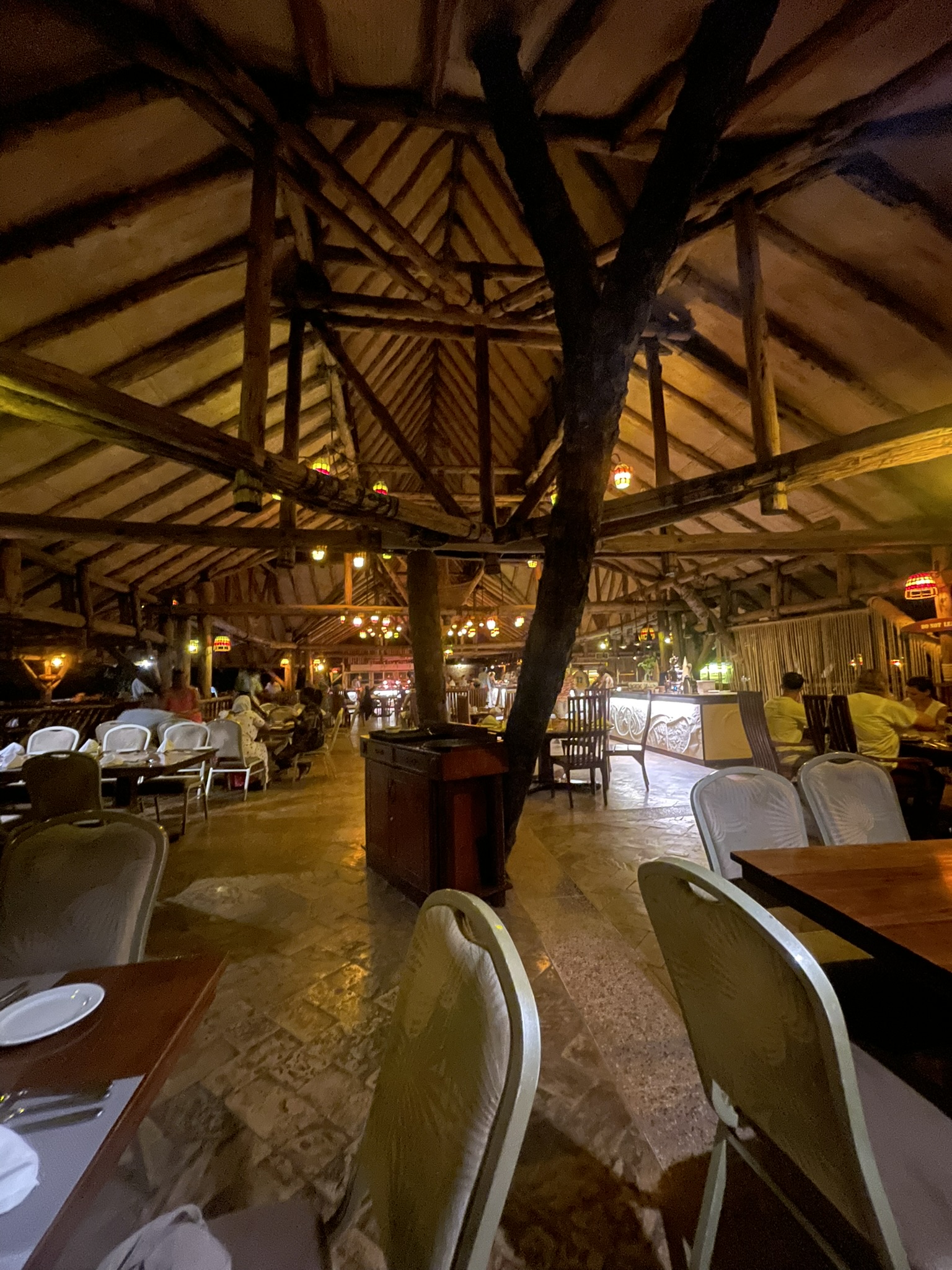
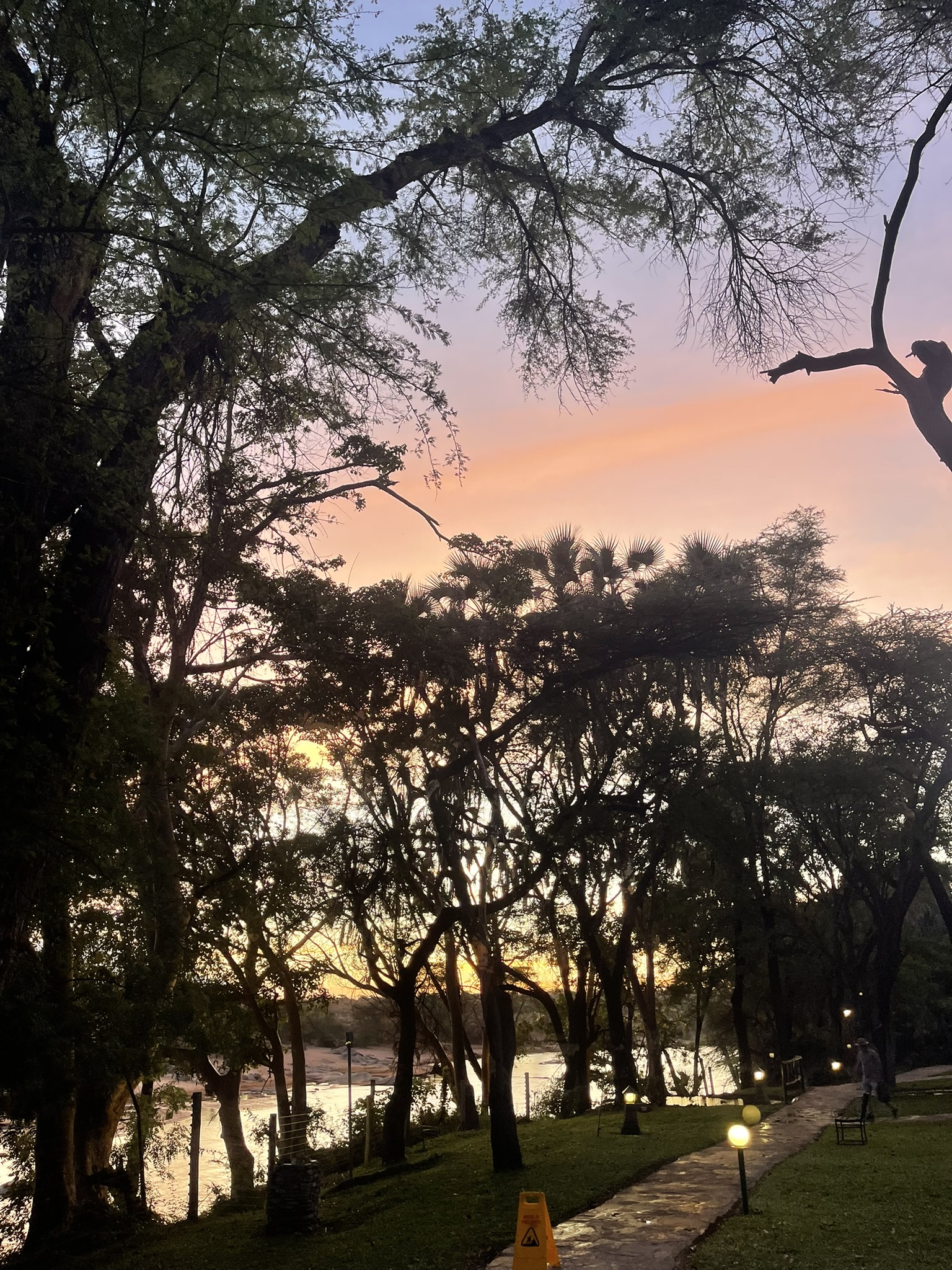
After Turbi, we headed to Samburu National Reserve for some luxury and wildlife. We stayed at the Sarova Shaba Lodge, and honestly, it was five-star comfort.
We were welcomed with fresh orange juice and warm towels. The lodge included all meals, which were delicious, and had a range of amenities like a swimming pool, ping pong tables, and even spa treatments.
The park fee was $70 per person. We used our own car, but safari vehicles (about €100 per trip) are available and fit 6/8 people. Either way, you follow the same animal sighting routes.
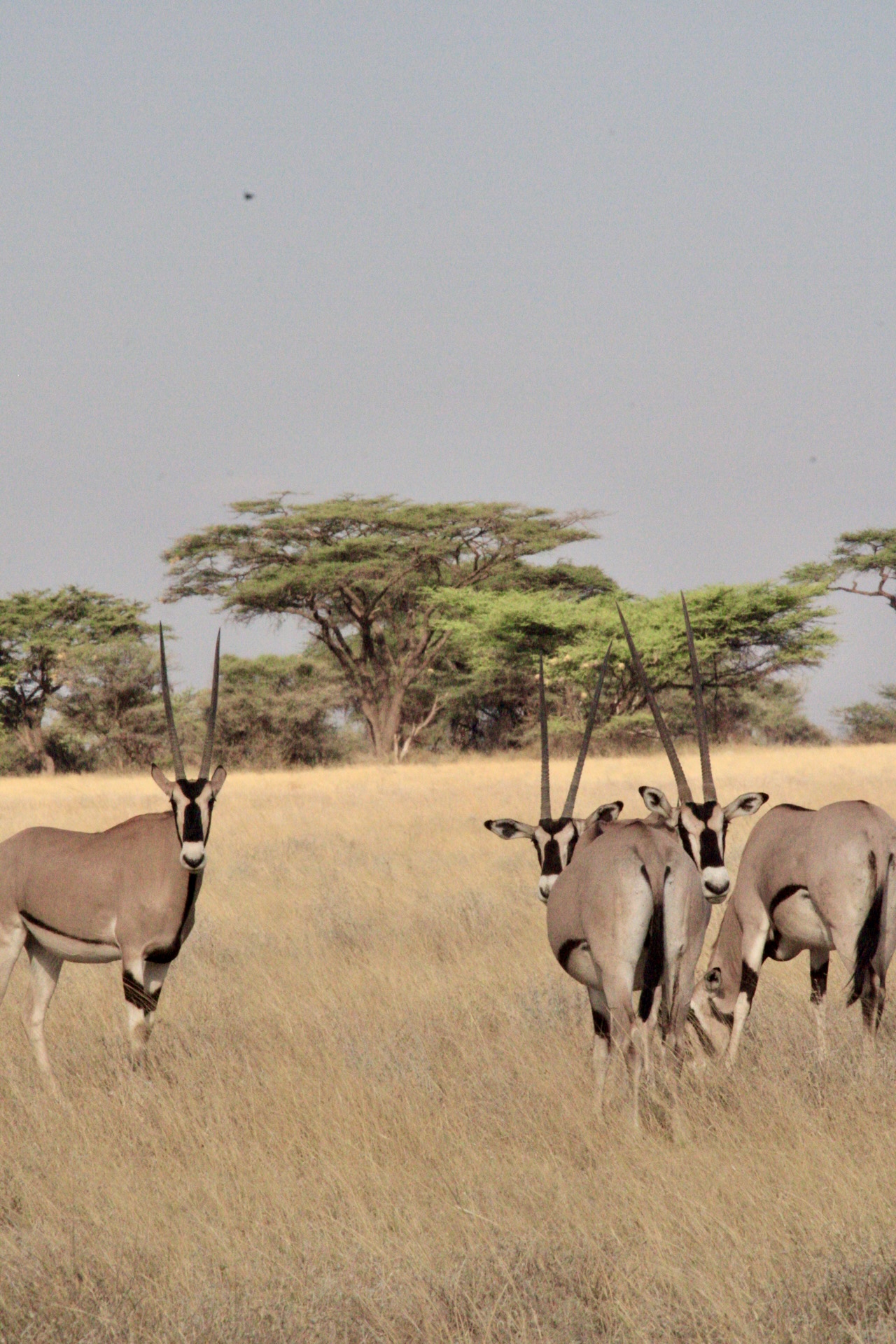
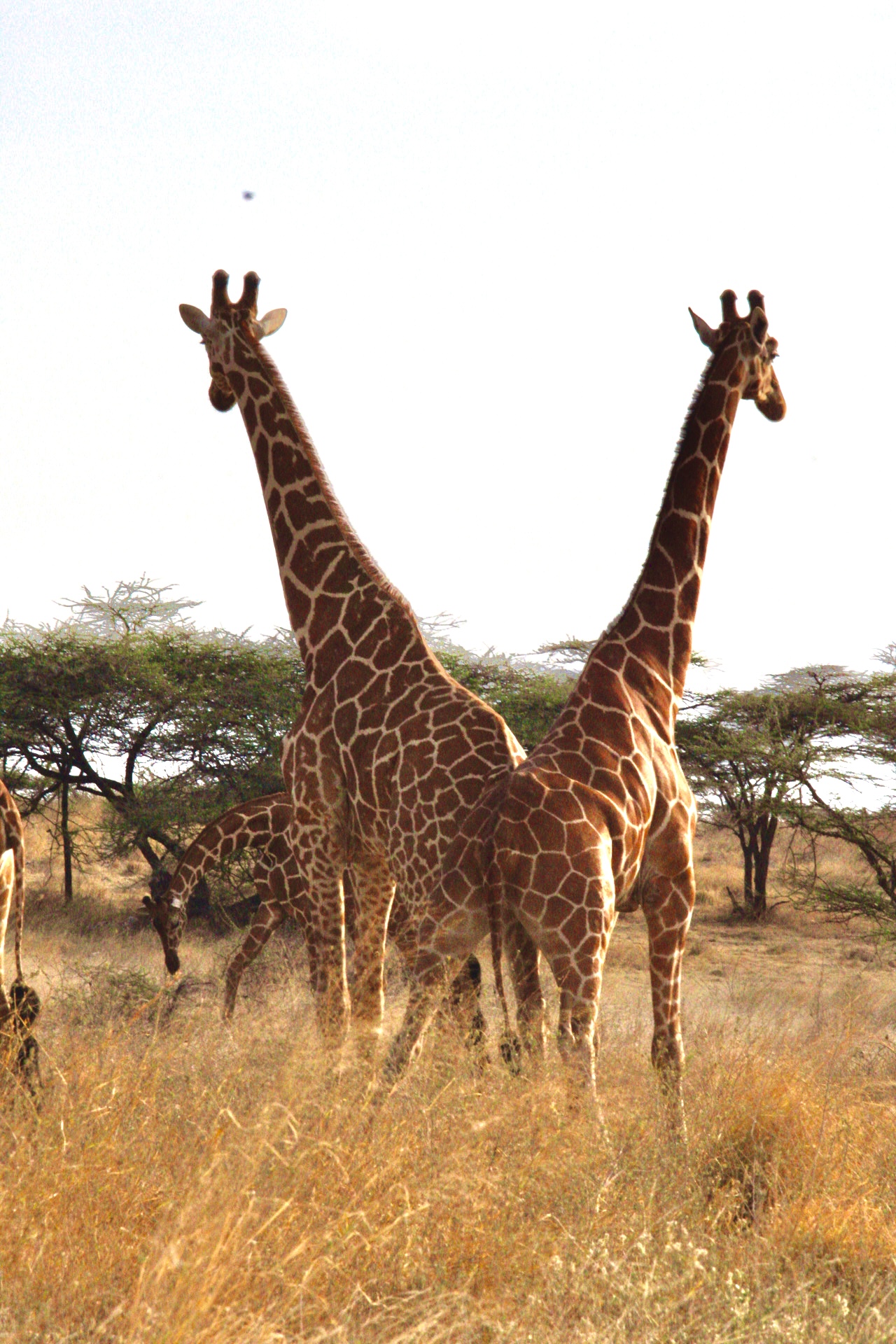
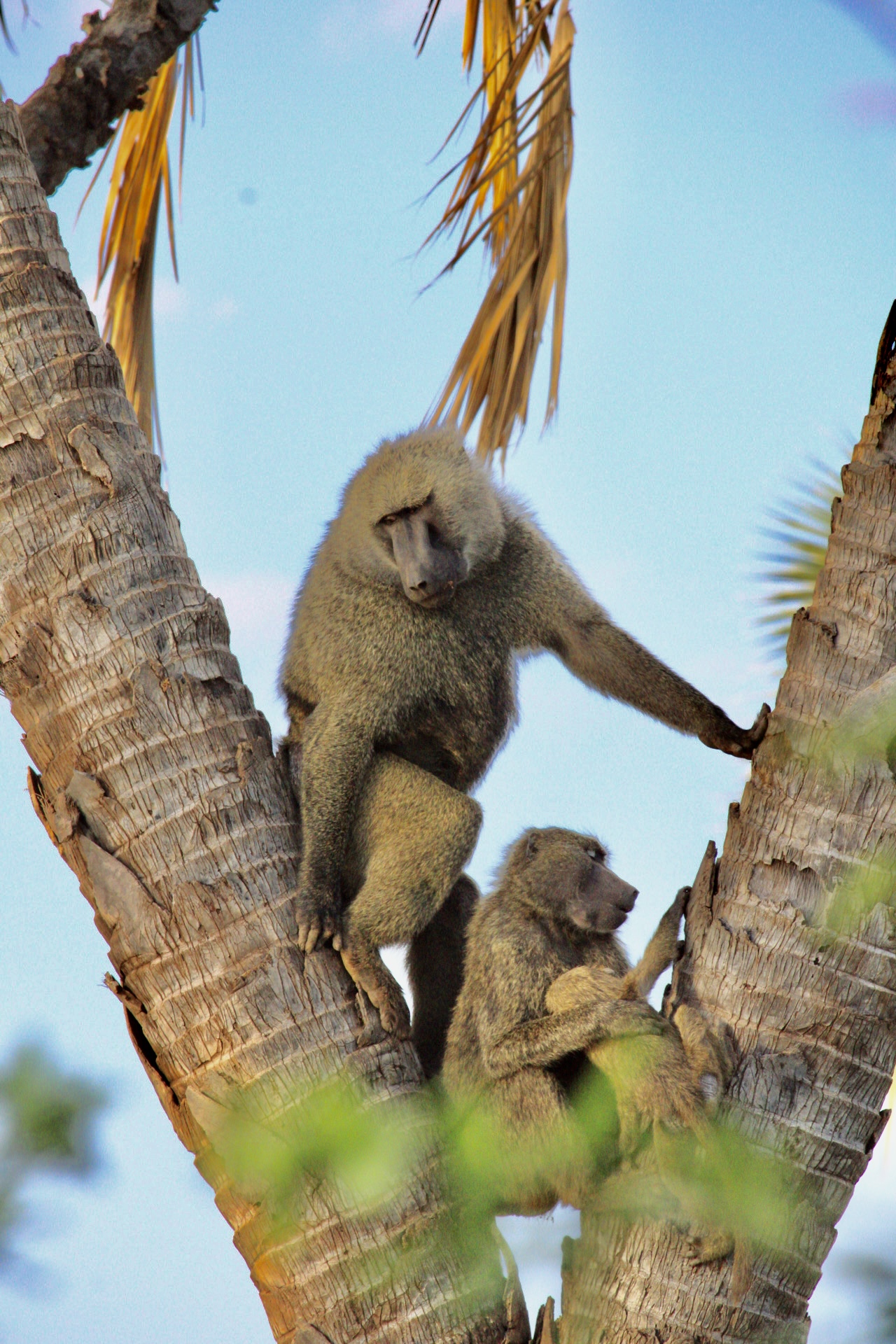
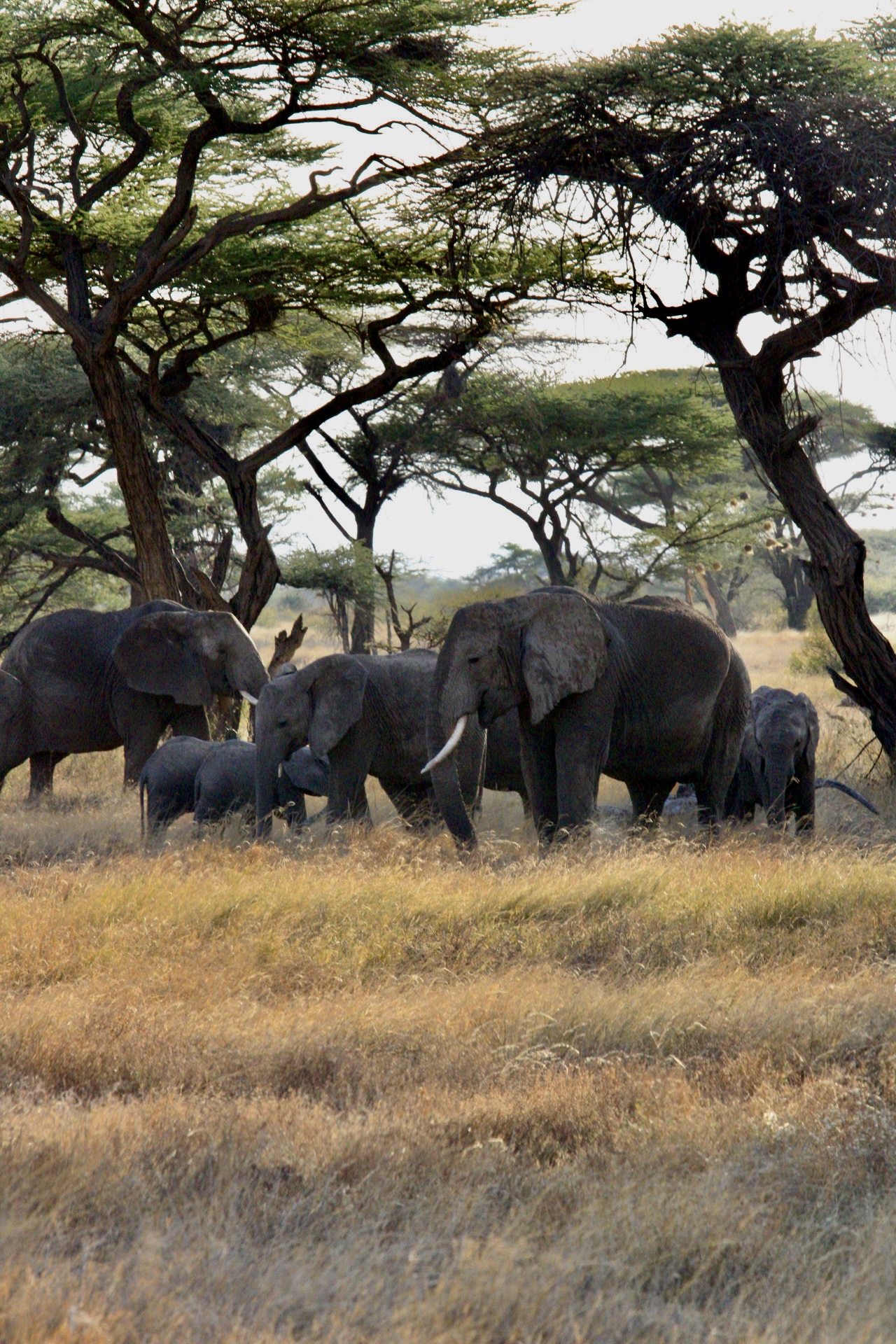
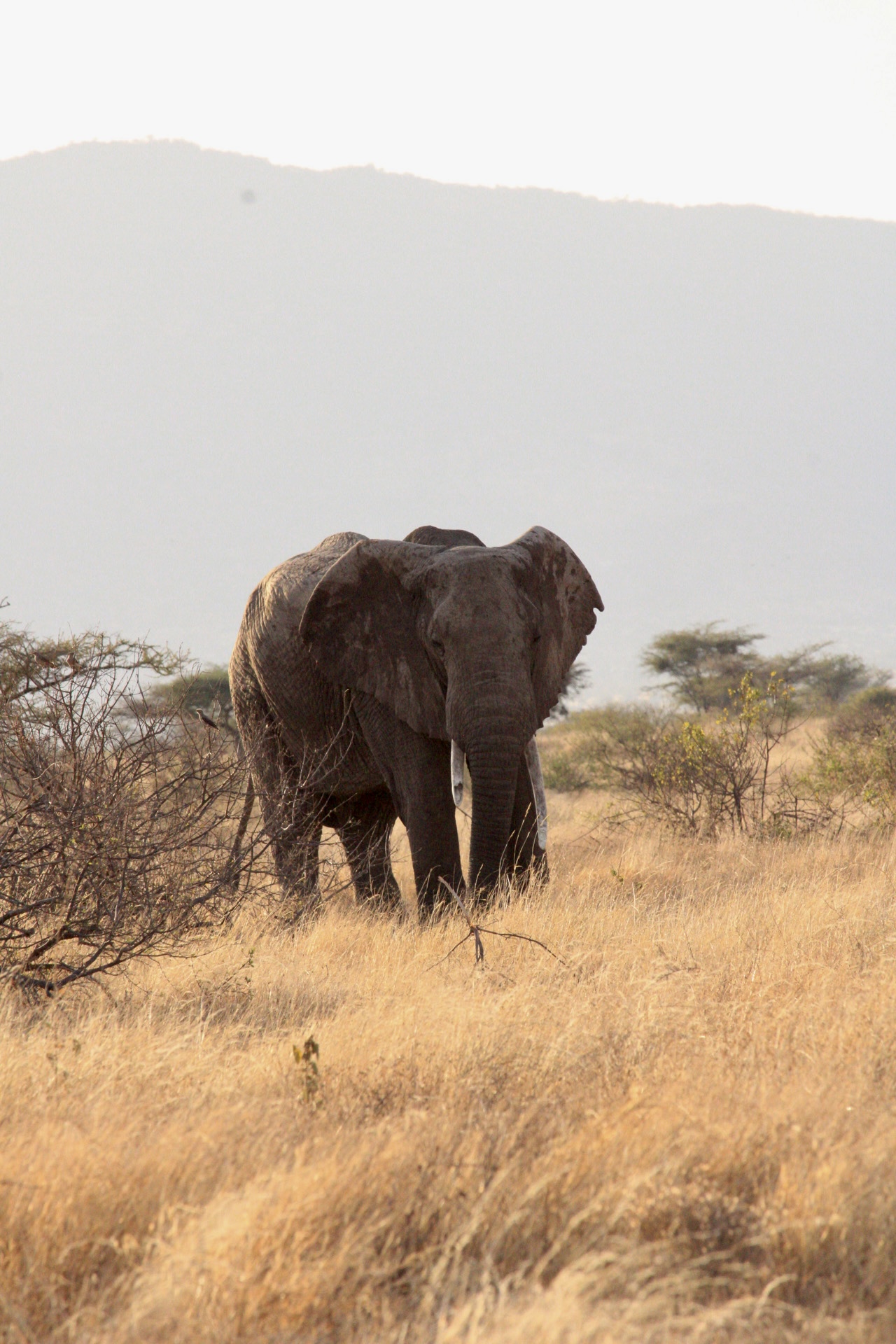
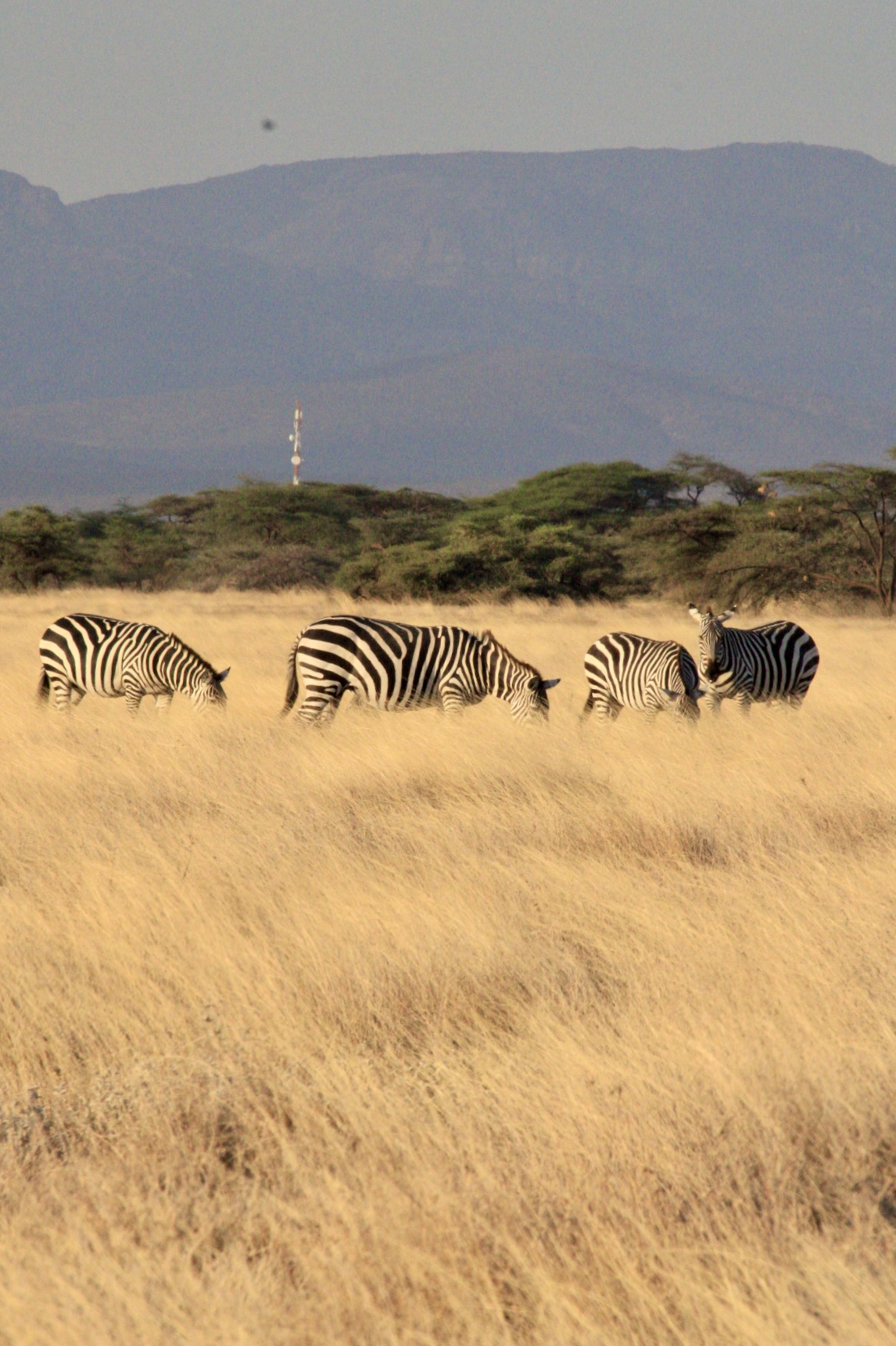
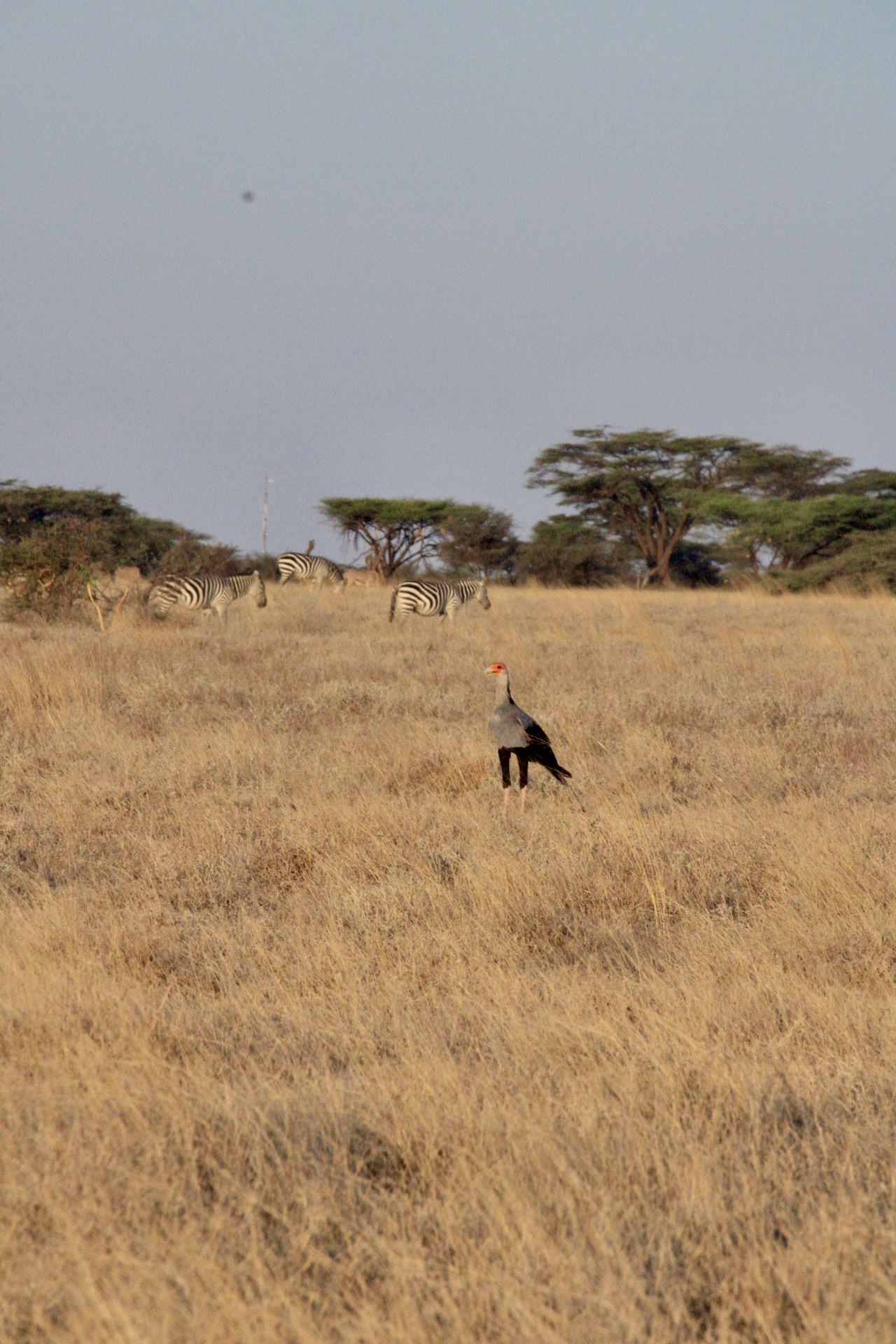
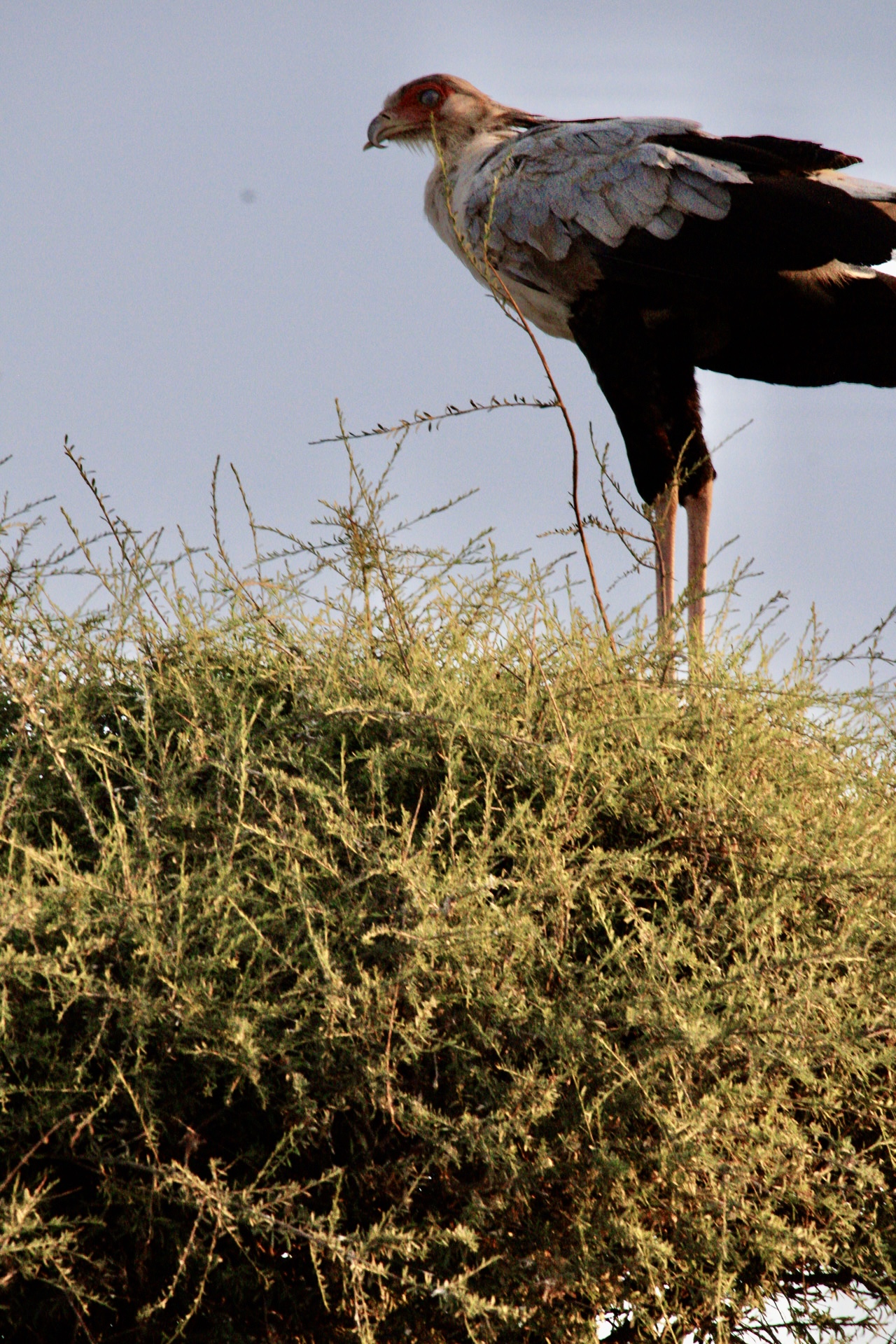
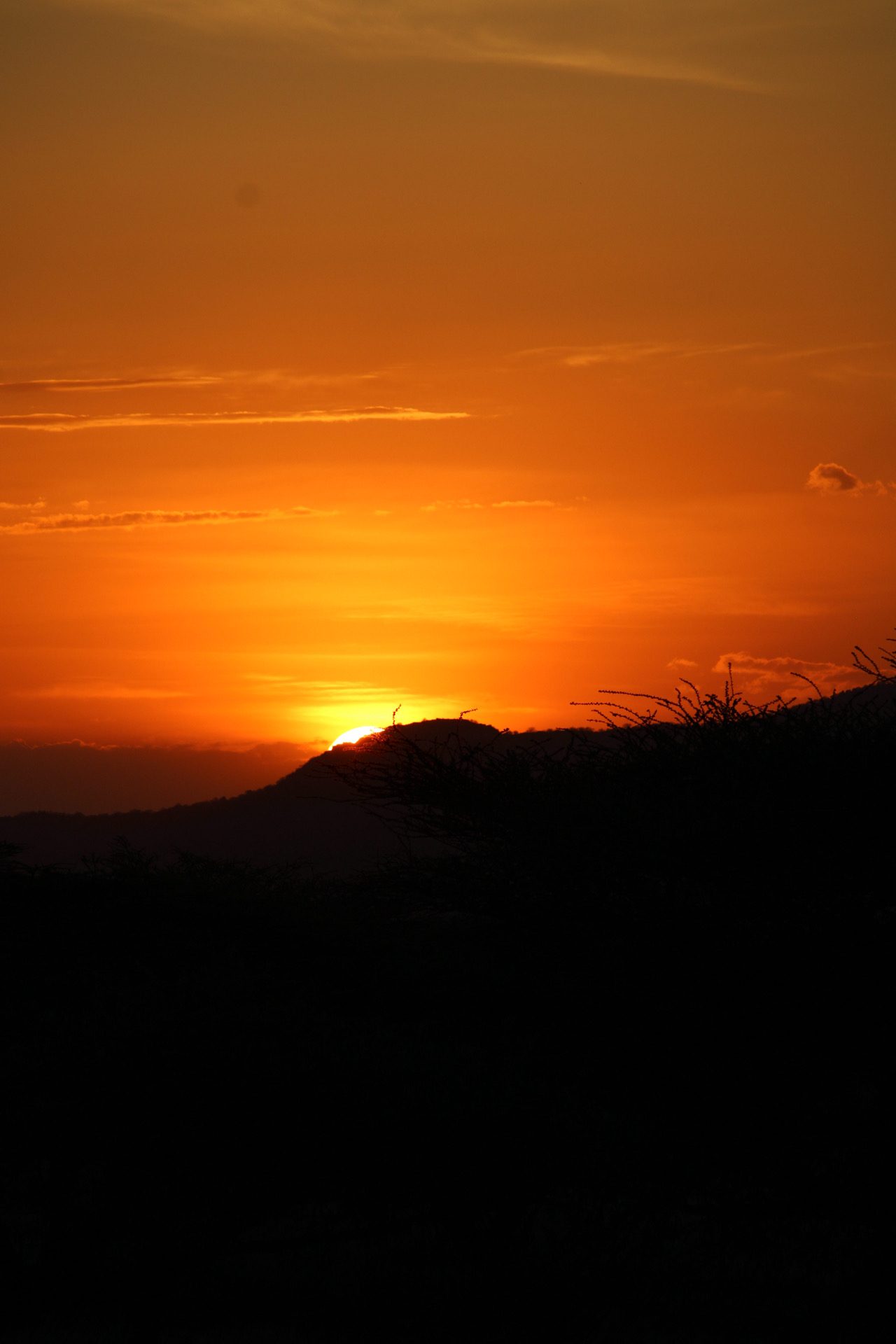
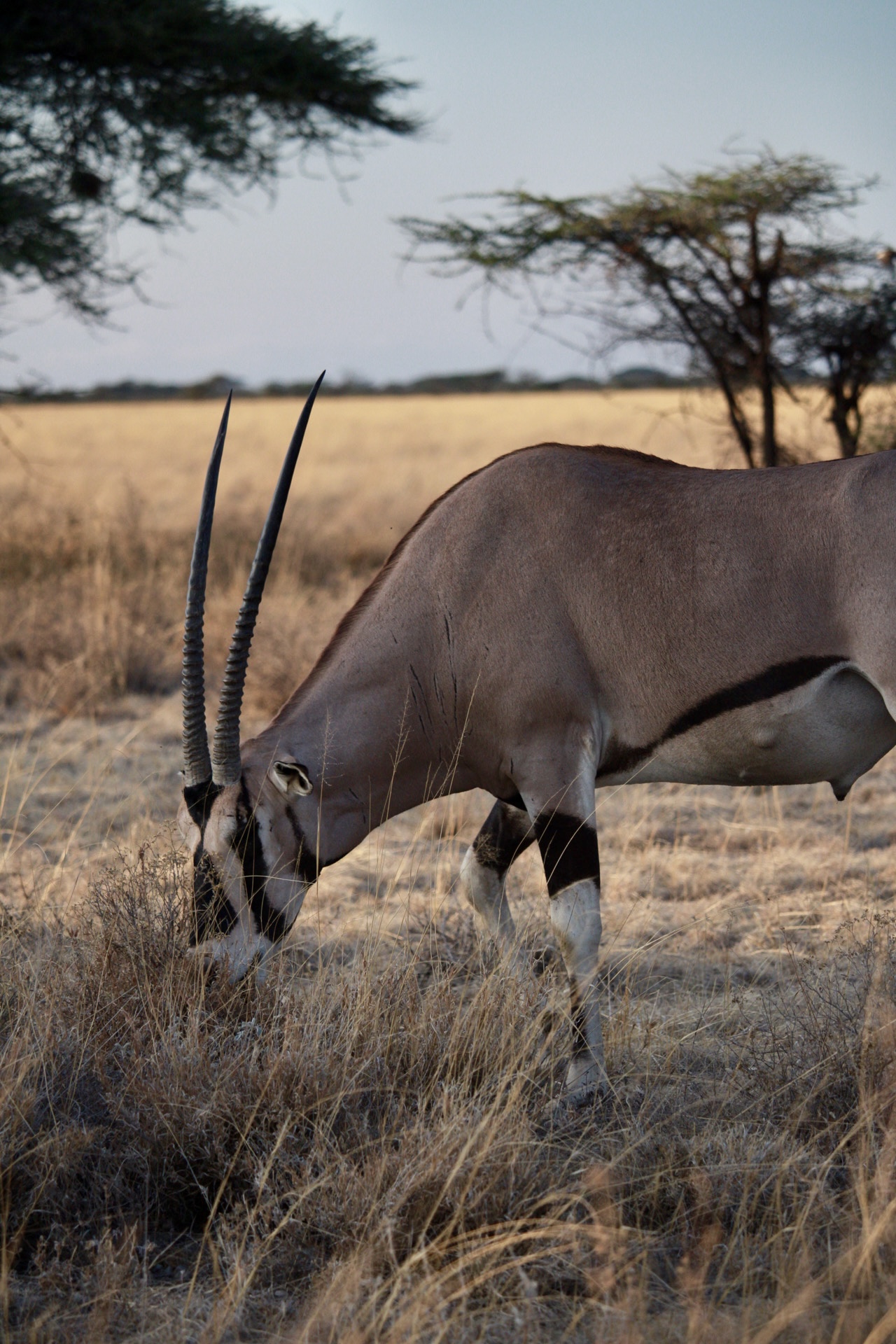
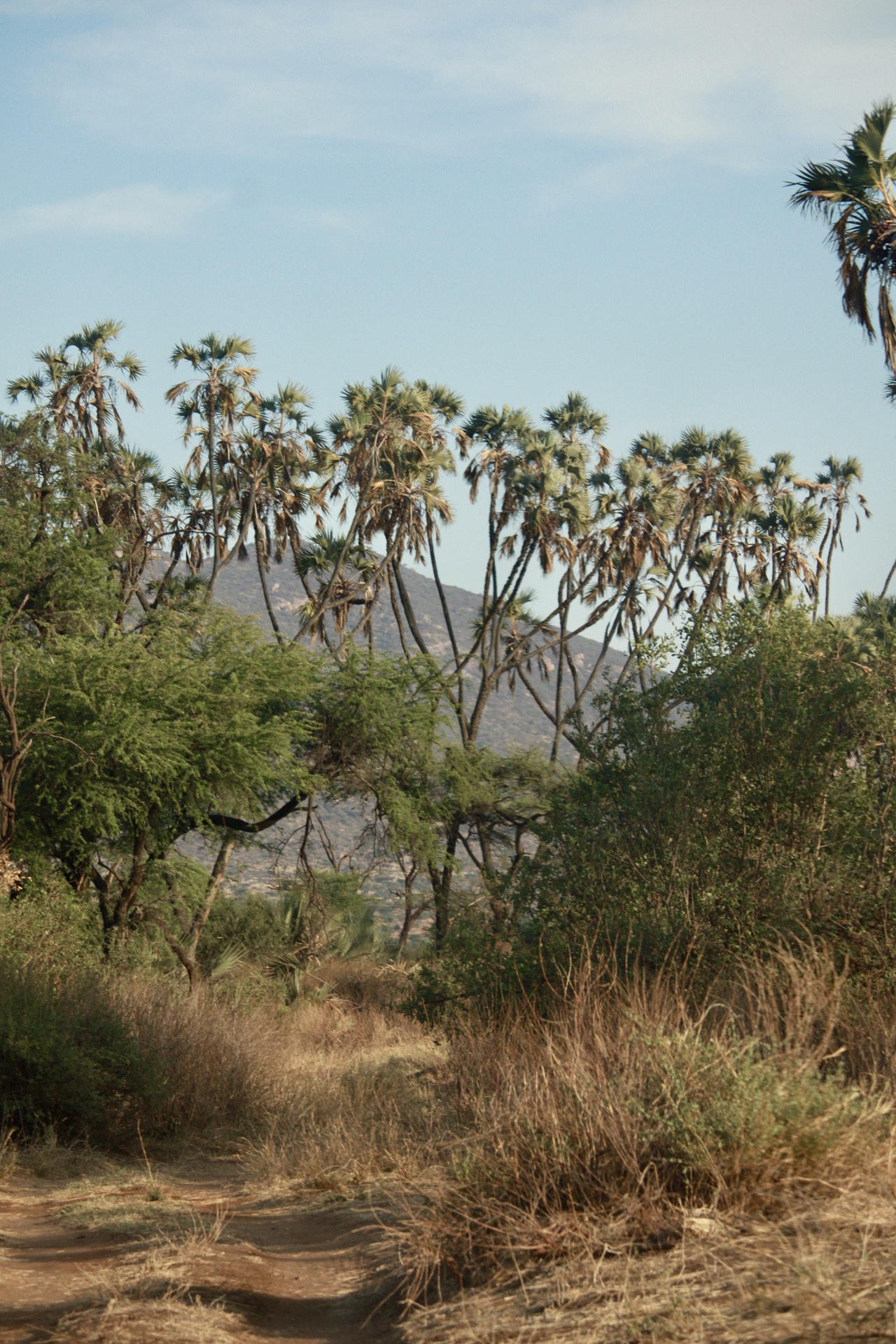
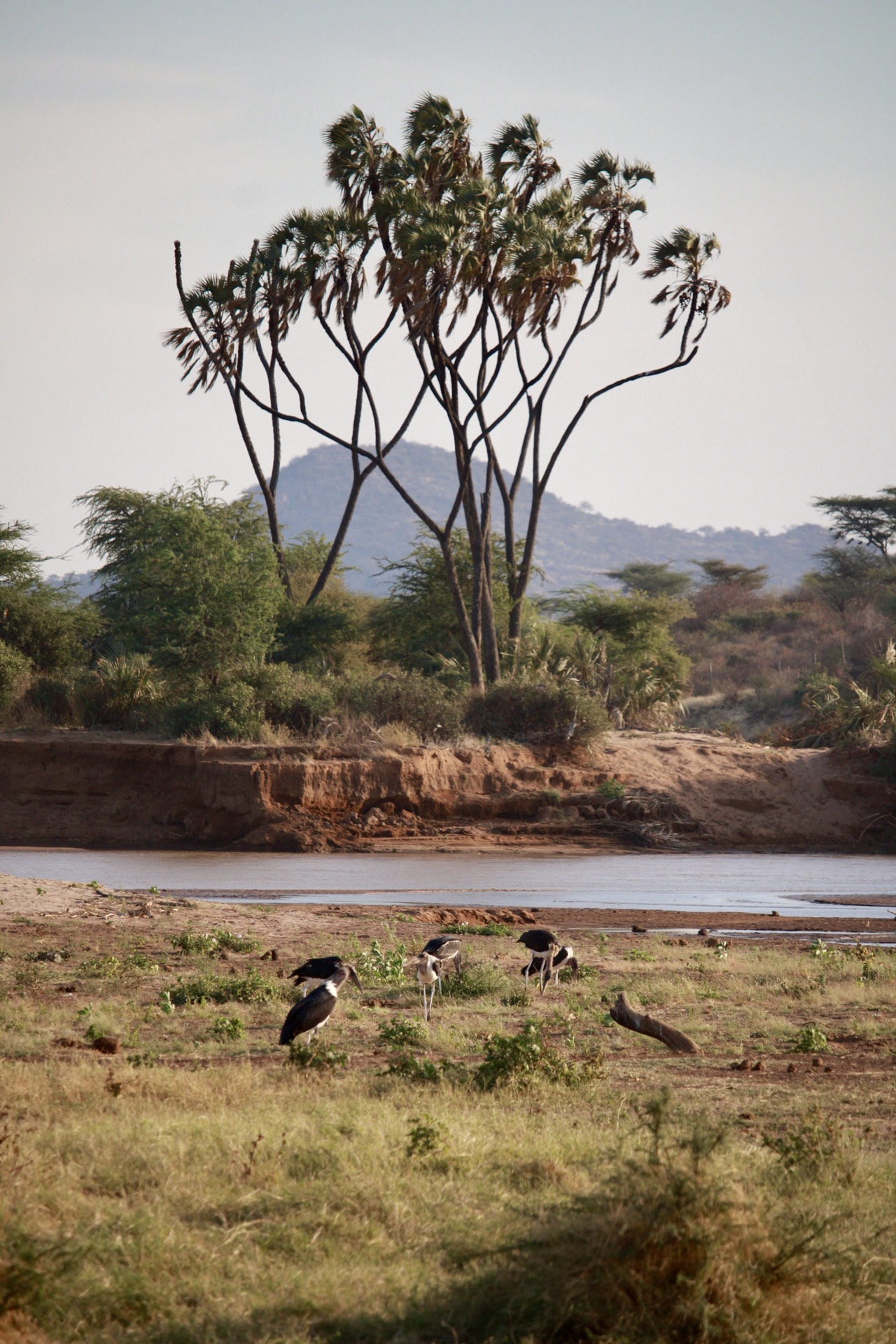
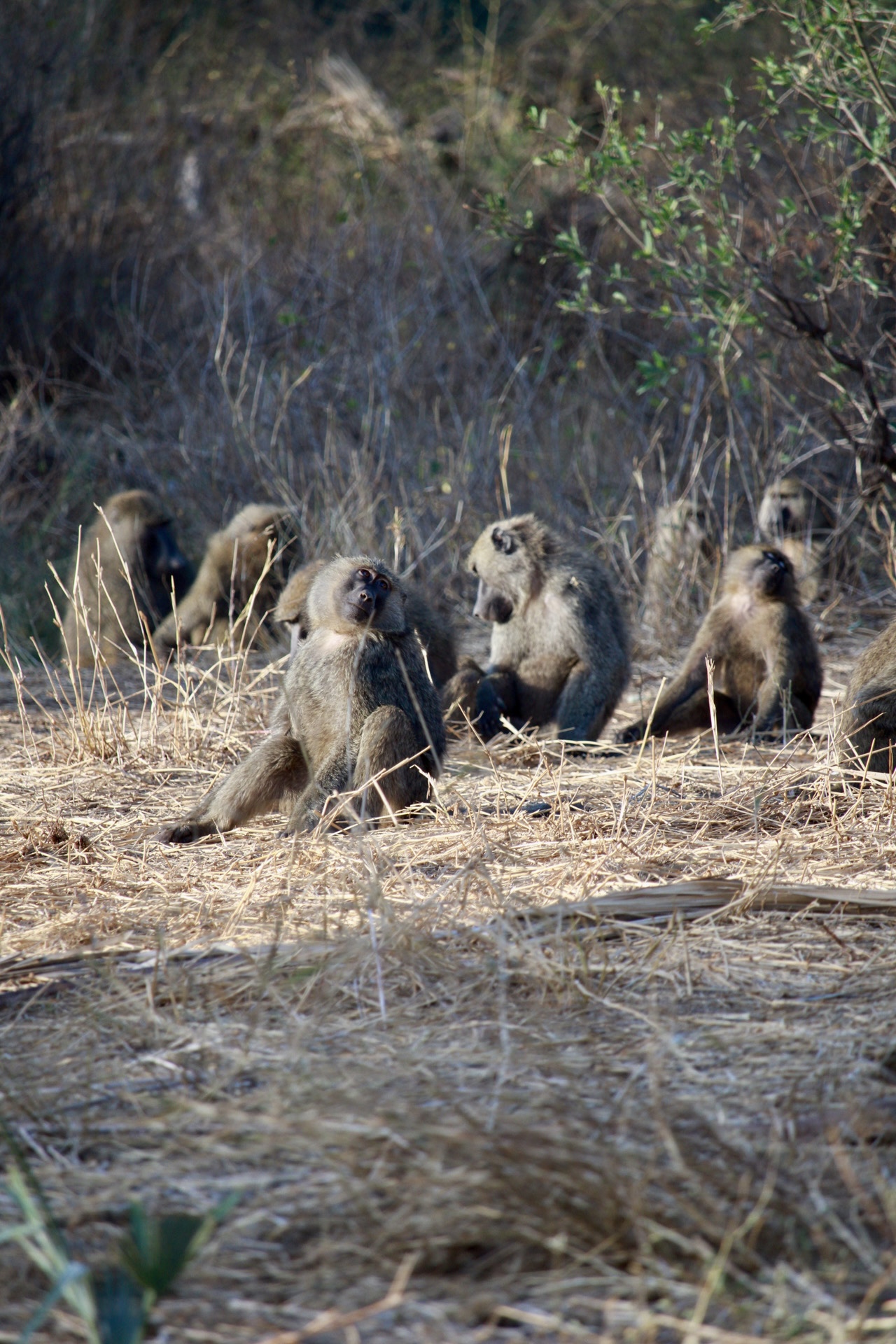
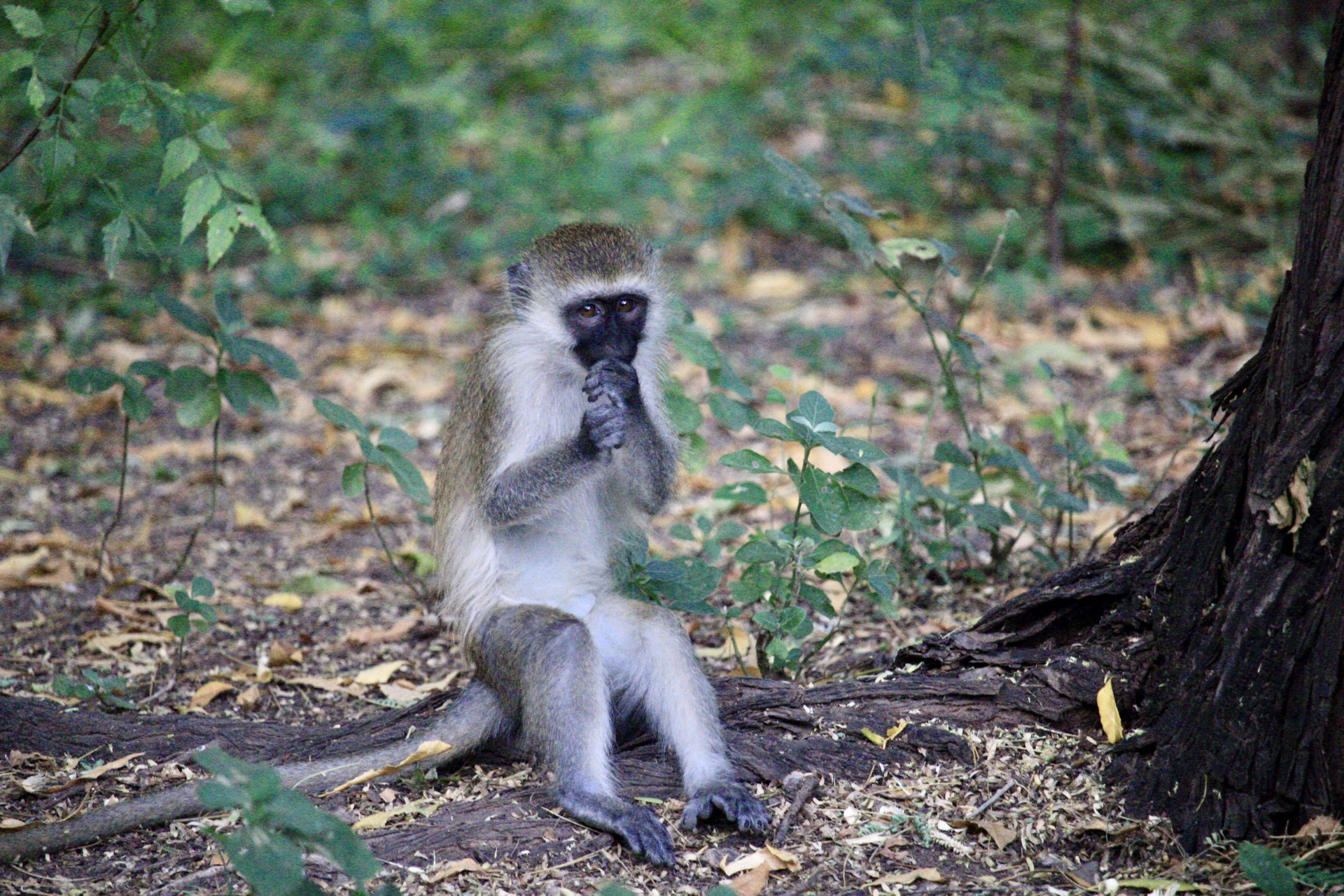
We didn’t see predators this time, but we did see plenty of wildlife, and the landscapes were breathtaking. The best times to visit are early in the morning (5 to7 AM) and late afternoon (4 to6:30 PM), when animals are most active. And don’t miss the spot near the river where crocodiles lounge, it’s surreal.









Final Thoughts
his trip was more than travel, it was a rich, unforgettable experience. From Nairobi’s chaos to desert calm, from family laughter to starry nights, Kenya gave us so much.
If you get the chance, go. It’s not just about the sights, it’s about connecting with lives far different from your own in the most unexpected places.
Want to read more about our Kenya journey? Check out this article: Diani Beach: Affordable Getaway Travel and Stay Tips






A: The whole road trip from Nairobi to Turbi and then to Samburu took us around 9.5 hours of driving, split across a few days. Nairobi to Samburu itself is roughly 5–6 hours depending on traffic and road conditions.
A: We did it as a family road trip and felt safe, but the roads are remote and you should plan fuel and supplies carefully. Marsabit is the last major town before the desert, so fill up there. Driving in Nairobi itself is chaotic, but the new toll highway helps you bypass some of the city traffic.
A: The park fee was $70 per person when we visited. We stayed at Sarova Shaba Lodge, which included all meals and felt like five-star comfort. Safari vehicles are around €100 per trip and fit 6–8 people, but we used our own car and followed the same animal routes.
A: Early morning, 5–7 AM, and late afternoon, 4–6:30 PM. That’s when animals are most active. Don’t miss the river area where crocodiles lounge — it’s surreal.
A: Turbi was the heart of our trip. We visited my cousin, who is a missionary priest building rainwater tanks in a region that only gets rain twice a year. Life there is simple and the community was incredibly warm and curious. It was one of the most meaningful parts of the whole journey.
A: We stayed at Sarova Shaba Lodge and loved it. Fresh orange juice on arrival, warm towels, all meals included, a swimming pool, ping pong, and spa treatments. It was the perfect mix of safari and comfort after the remote part of our trip.